

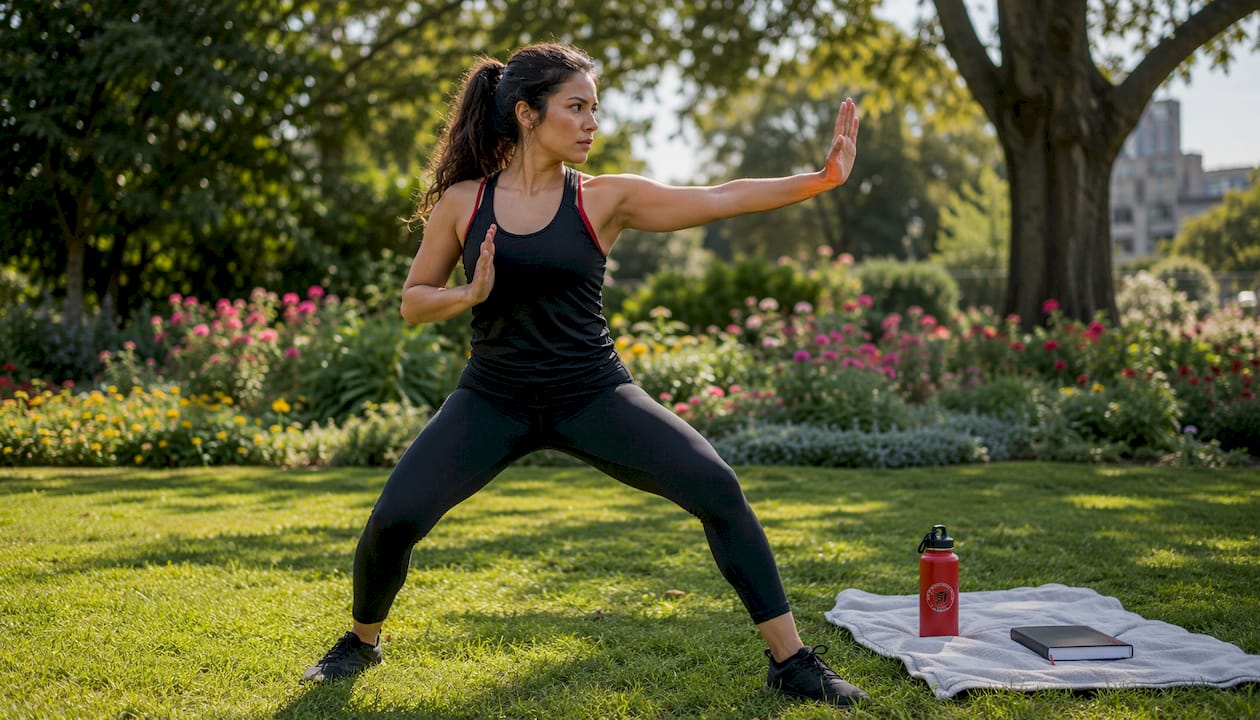
What is trauma-informed self defence?
Trauma-informed self defence is safety training built around how trauma actually affects the body and mind. It gives survivors practical physical and verbal tools to protect themselves, without functioning as psychotherapy. Research confirms that participants report improved confidence and boundary setting without requiring clinical PTSD treatment.
The approach rests on four core principles: safety, trust, choice, and cultural sensitivity. Every session is designed so participants feel in control of their own experience.
Key elements include:
- Grounding techniques such as breath work and sensory awareness to stay present
- Consent before contact, so no drill begins without a participant’s agreement
- Gradual exposure, moving from low-stress practice to higher-intensity scenarios at the learner’s pace
- Adaptation for freeze and fawn responses, recognising that trauma survivors may not react the way traditional training assumes
Table of Contents
- How are trauma triggers recognised and managed during training?
- Why breathing and stress regulation matter in trauma-sensitive training
- How does trauma-informed training differ from traditional martial arts?
- What does the evidence say about self defence training for survivors?
- Trauma-informed self defence programmes in Canada
- Practical techniques adapted for trauma survivors
- How programmes build psychological safety and empowerment
- Adapting training for diverse trauma experiences
- Long-term benefits beyond physical defence
- Streetsafeselfdefence brings trauma-informed training to you
- Key takeaways
How are trauma triggers recognised and managed during training?
Common triggers in any physical training environment include surprise contact, loud commands, and unpredictable movement. In trauma-aware settings, instructors address these directly before they occur.
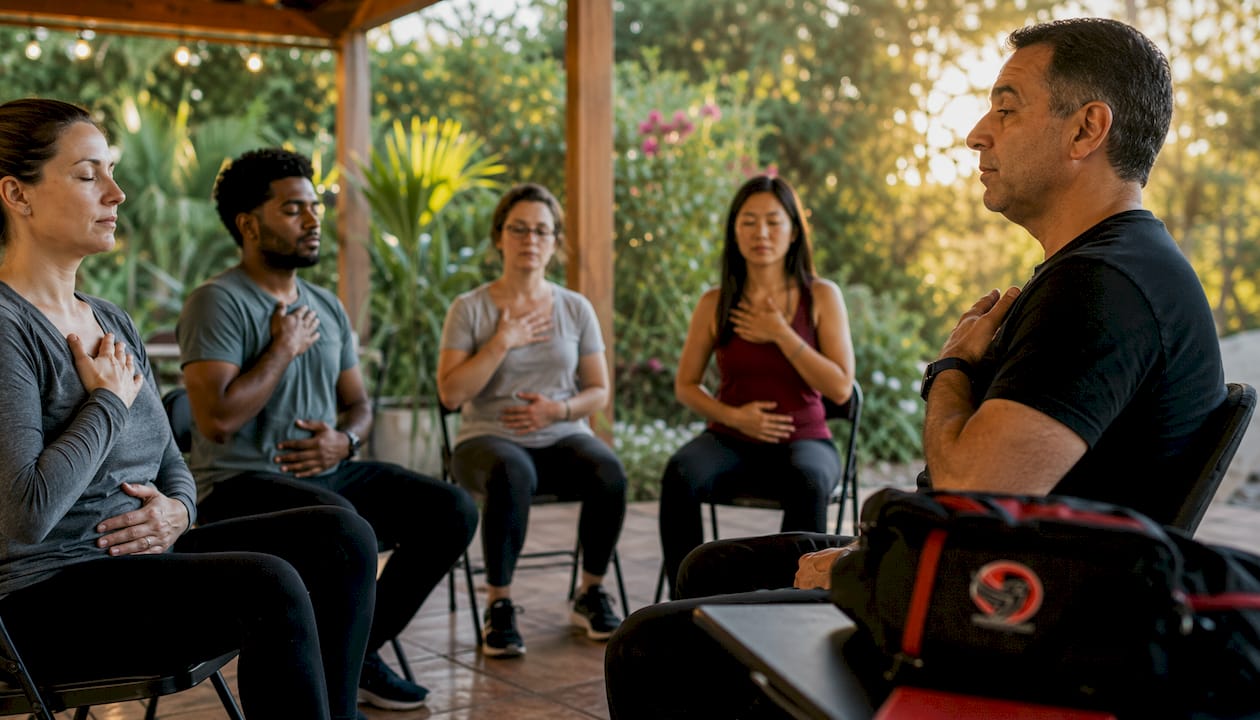
Consent checks and opt-outs are built into every drill. Participants know what is coming, can pause at any time, and are never pressured to push through discomfort.
Practical classroom practices that reduce triggering:
- Sharing the full session plan at the start of class
- Using calm, measured pacing rather than high-energy commands
- Offering partner choices and allowing participants to work alone when needed
- Checking in verbally between drills
Pro Tip: Watch for subtle signs of distress, such as shallow breathing, a fixed gaze, or sudden stillness. These often signal a freeze response before a participant can name what they are feeling. A quiet check-in is more effective than pushing forward.
Why breathing and stress regulation matter in trauma-sensitive training
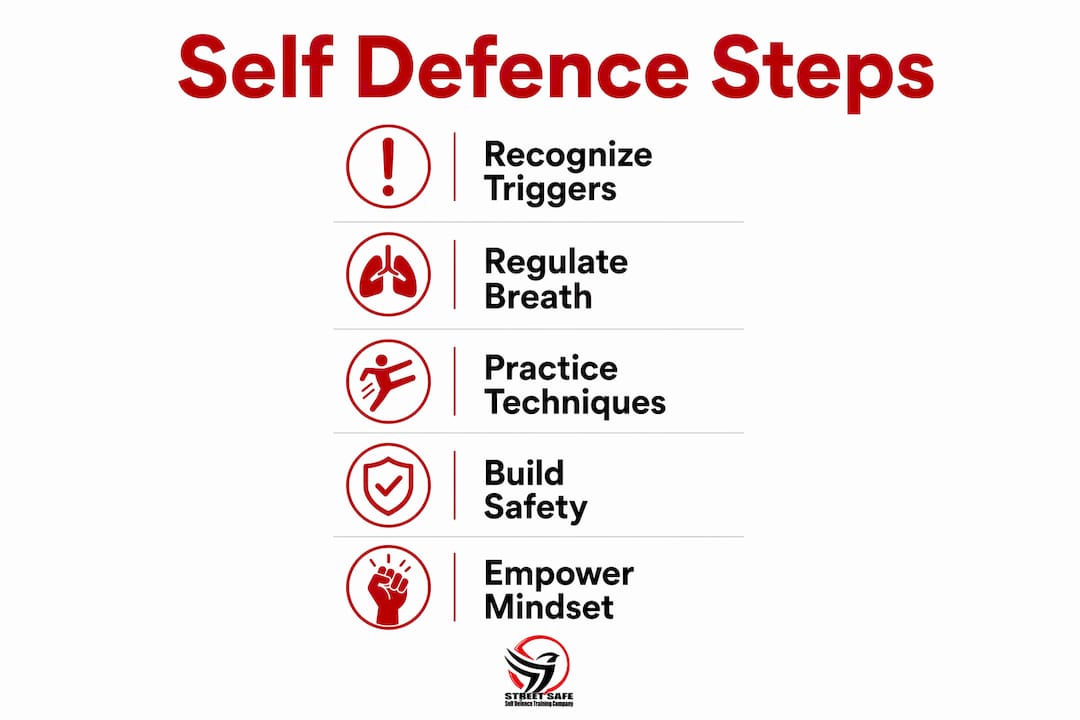
The most effective self-defence skill is one you can actually access when adrenaline spikes. Breath regulation is what bridges calm practice and a real high-pressure moment.
A longer exhale activates the parasympathetic nervous system, slowing heart rate and restoring access to motor skills. The 5-4-3-2-1 grounding technique, which asks you to name five things you can sense, anchors awareness in the present moment and interrupts a dissociative spiral.
Practical exercises used in trauma-informed classes:
- Box breathing: four counts in, four hold, four out, four hold
- Extended exhale breathing: inhale for four counts, exhale for six
- Sensory grounding: name what you see, hear, feel, smell, and taste before a drill
- Post-drill recovery pauses: brief stillness after each scenario to reset the nervous system
How does trauma-informed training differ from traditional martial arts?
Traditional martial arts training often relies on repetition until a technique becomes reflexive, high-intensity drilling, and surprise attacks to test readiness. That model can retraumatise survivors rather than prepare them.
Trauma-informed self defence takes a different path:
- Predictability over surprise: participants always know what drill is next
- Short stress bursts with recovery, rather than sustained high-intensity pressure, which preserves motor function when adrenaline rises
- Consent and choice are built into every interaction, not treated as optional
- Small, practical skills over complex competitive techniques, prioritising what works in a real moment of danger
- Pacing set by the learner, not the instructor’s timeline
The goal is not to produce a fighter. It is to give someone a reliable skill they can reach under pressure.
What does the evidence say about self defence training for survivors?
Research supports trauma-informed self defence as a genuine complement to clinical care. When integrated with therapist input, it supports symptom reduction and empowerment for trauma survivors.
“Training bridges calm practice and real high-adrenaline situations by teaching stress regulation. The best self-defence skills are those accessible under stress.”
— Instructor perspectives on self-defence skill retention under stress
Documented outcomes across programmes include increased confidence, stronger boundary-setting, and greater situational awareness. Survivors report feeling more prepared in daily life, not just in worst-case scenarios. The trauma-informed care framework used in structured programmes gives instructors a consistent, evidence-grounded foundation rather than relying on instinct alone.
Trauma-informed self defence programmes in Canada
Canada has a growing number of options for survivors seeking safety training that respects their experience. The most effective programmes share a few qualities: mobile or community-based delivery, cultural sensitivity, and adaptation for diverse populations including Indigenous communities, women, and youth.
Cultural sensitivity in self-defence classes means adapting techniques and communication styles to reflect different trauma histories and community norms. A programme designed for urban professional women may need significant adjustment before it serves an Indigenous community in a rural setting.
Benefits participants consistently report from quality Canadian programmes:
- Accessible training regardless of age, fitness level, or prior experience
- Skills that work in real environments, not just controlled gym settings
- A non-shaming atmosphere where mistakes are part of learning
- Peer support built naturally into group training
When looking for a qualified instructor, ask directly whether they have training in trauma-informed pedagogy, how they handle participant distress, and whether sessions include consent practices. A qualified self-defence instructor should be able to answer all three without hesitation.
Practical techniques adapted for trauma survivors
Self-defence for trauma survivors prioritises techniques that remain accessible when the body is flooded with stress hormones. Complex sequences are the first thing to disappear under pressure. Simple, gross-motor movements stay.
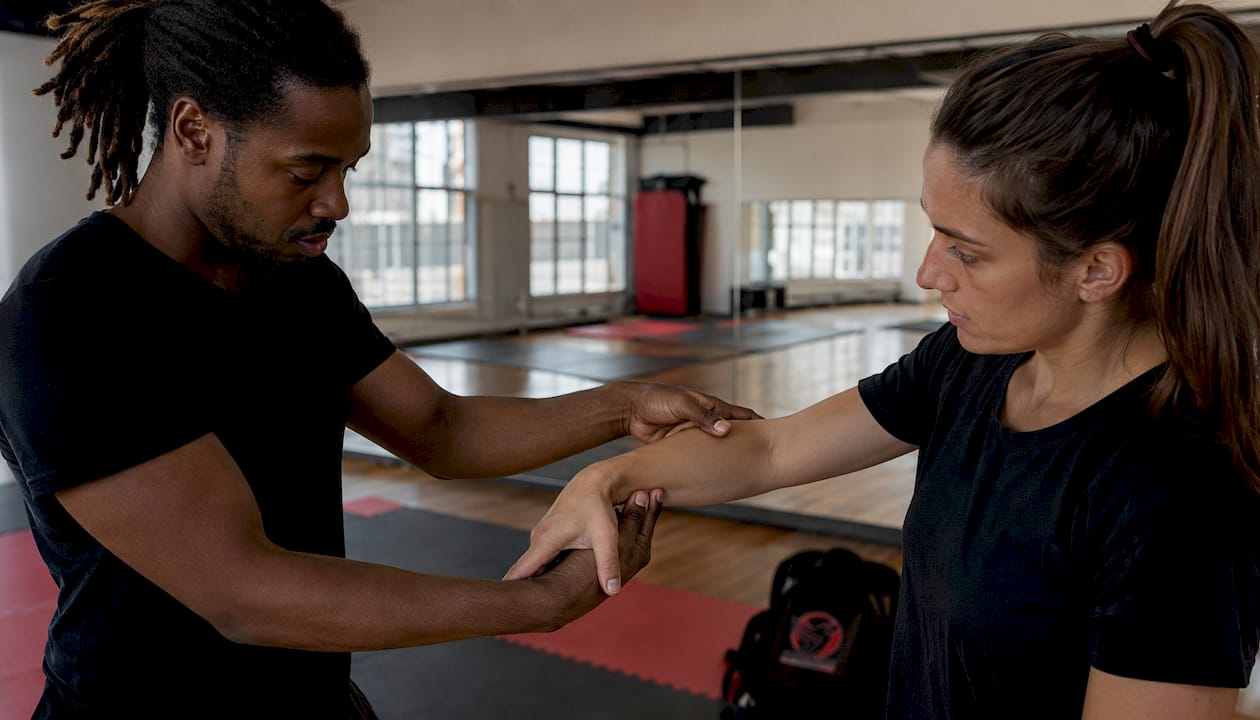
Core techniques taught in trauma-aware programmes include palm strikes, wrist releases, and creating distance through movement. Verbal boundary-setting, delivered with a clear voice and direct eye contact, is treated as a primary skill, not a backup. Survivors also practise recognising pre-attack indicators so they can act earlier, before physical contact becomes necessary.
Scenario-based practice is introduced gradually. Participants first rehearse a technique alone, then with a cooperative partner, then in a low-pressure scenario. Each step requires a verbal check-in before moving forward.
How programmes build psychological safety and empowerment
Psychological safety is not a soft add-on. It is the condition that makes learning possible for trauma survivors. Without it, the nervous system stays in threat mode and skills do not consolidate.
Programmes build it through consistency: the same structure each session, the same language for check-ins, and the same respect for opt-outs. Participants learn that their “no” is honoured, which is itself a powerful corrective experience for many survivors. Over time, that reliability becomes the foundation for genuine confidence.
Adapting training for diverse trauma experiences
No two survivors carry the same history, and effective trauma-informed instruction accounts for that. Cultural background, gender identity, age, disability, and the nature of past trauma all shape how someone responds to physical training.
Instructors working with Indigenous participants, for example, benefit from understanding the specific context of intergenerational trauma and the importance of community-led approaches. Emotional Freedom Technique and personal development coaching are sometimes integrated alongside physical training to support the whole person. Adapting language, removing unnecessary physical contact, and offering seated or modified versions of techniques are practical steps any instructor can take.
Long-term benefits beyond physical defence
The skills built in trauma-informed self defence extend well past the training room. Survivors consistently report lasting gains in confidence, a stronger sense of personal boundaries, and reduced anxiety in daily situations. Learning to regulate breathing under stress transfers directly to job interviews, medical appointments, and difficult conversations.
Resilience, in this context, is not about becoming fearless. It is about having a reliable response when fear arrives. That shift, from helplessness to agency, is what makes this training meaningful for so many participants. You can start building those skills by understanding what to expect from your first lesson.
Streetsafeselfdefence brings trauma-informed training to you
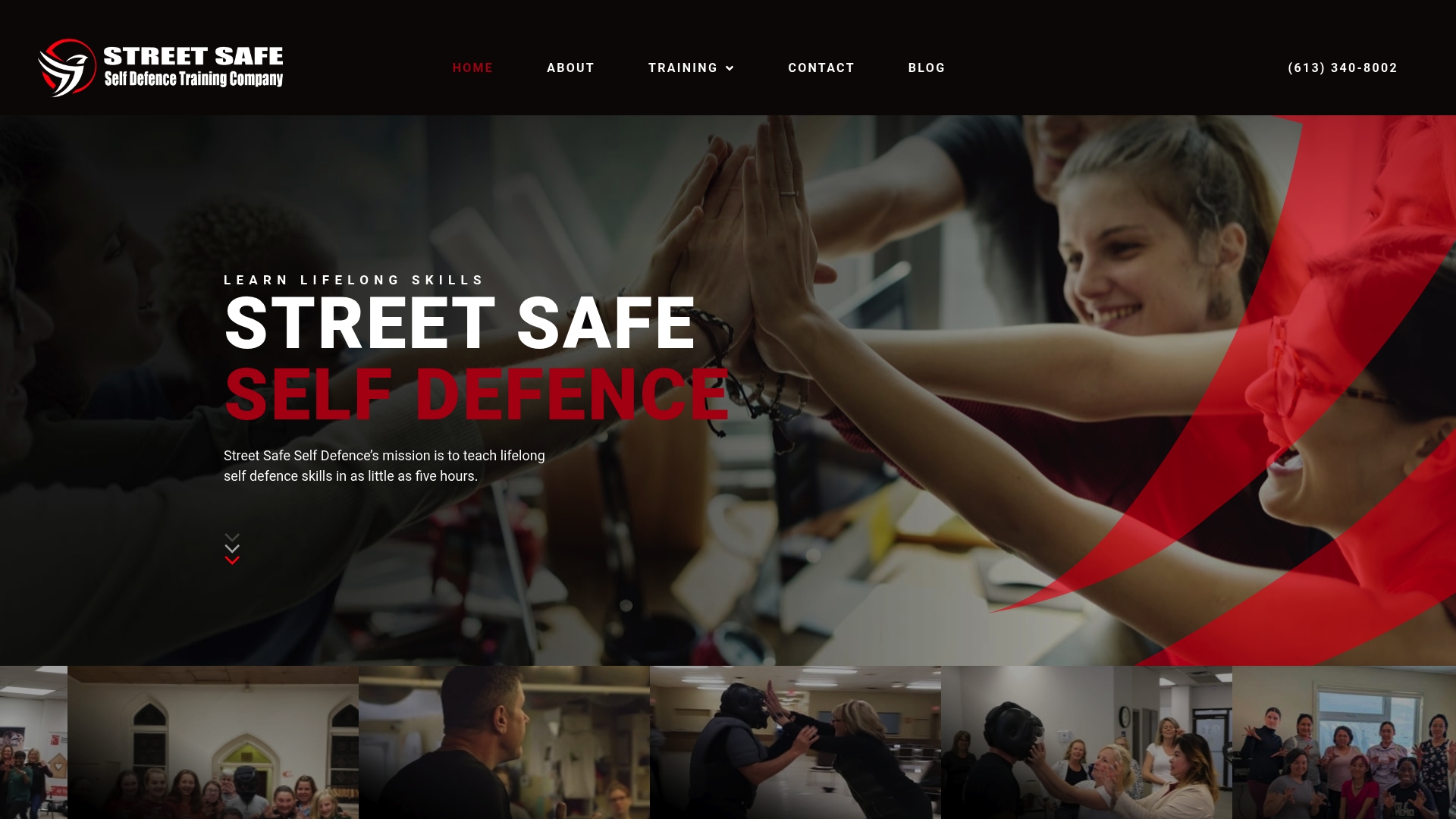
Most trauma survivors do not need a gym membership or a year-long martial arts commitment. They need practical, respectful training that fits their life. Streetsafeselfdefence delivers exactly that through mobile self-defence training across Canada, bringing reality-based violence prevention directly to individuals, women’s groups, Indigenous communities, schools, and workplaces.
Programmes are designed for all fitness levels and can be completed in as little as five hours. Every session is built on trauma-informed principles: consent, pacing, choice, and a non-shaming environment. Whether you are an individual survivor, a community organisation, or a professional group, the training meets you where you are.
Contact Streetsafeselfdefence to book a session or ask about group rates.
Key takeaways
Trauma-informed self defence works because it adapts training to how the body actually responds to trauma, making skills genuinely accessible under stress.
| Point | Details |
|---|---|
| Skills must work under stress | Breath regulation training bridges calm practice and real high-adrenaline situations. |
| Consent is foundational | Opt-outs and consent checks before every drill reduce triggering and build trust. |
| Evidence supports the approach | Research links trauma-informed self defence to improved confidence and boundary-setting. |
| Cultural adaptation matters | Effective programmes adjust techniques and communication for diverse trauma histories. |
| Streetsafeselfdefence | Mobile, trauma-informed training delivered across Canada for individuals, women, and community groups. |