

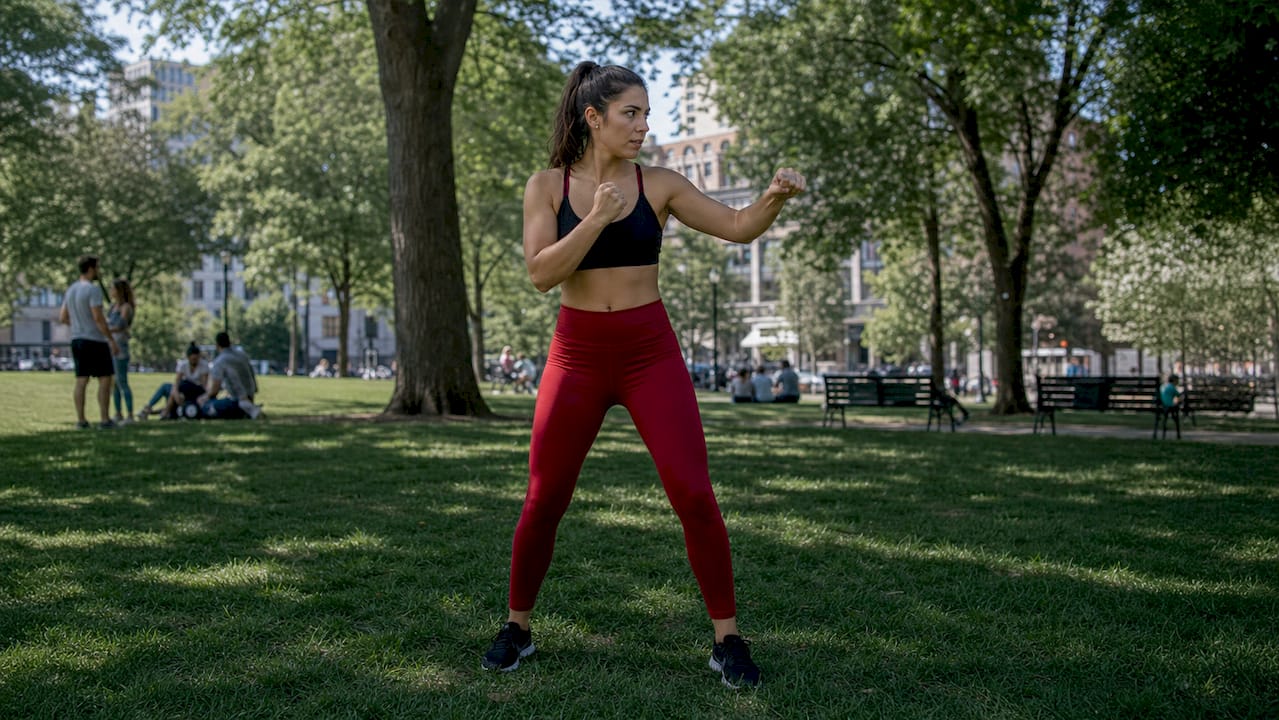
Self-defence techniques for beginners are practical, learnable skills that prioritise awareness and communication before any physical contact. Most confrontations are preventable. The gap between a dangerous situation and a safe one is often a single decision made seconds earlier. Streetsafeselfdefence builds its entire training model on this reality, teaching situational awareness, verbal de-escalation, and simple physical moves that work under stress. You do not need athletic ability, martial arts experience, or exceptional strength to protect yourself. You need the right skills, practised consistently.
What are the most effective self-defence techniques for beginners?
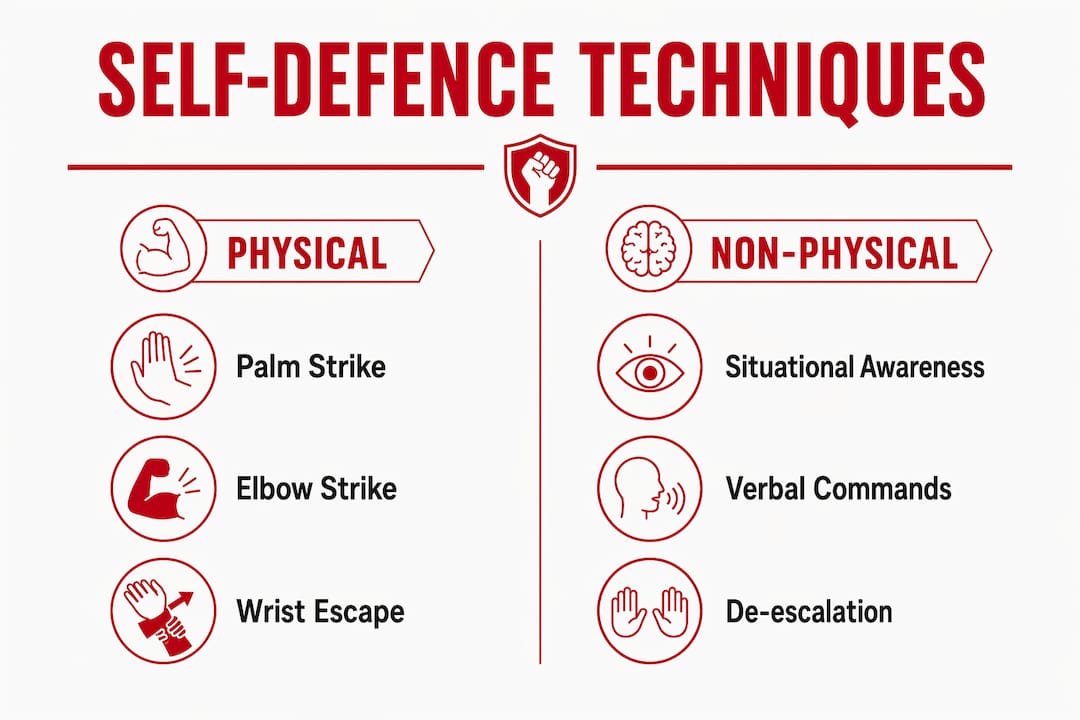
Situational awareness is the most effective non-physical safety tool available to beginners. It requires no strength, no equipment, and works in almost any setting. The principle is simple: know what is around you before a threat develops.
Awareness means more than just looking up from your phone. It means noting exits when you enter a building, keeping your hands free so you can react, and recognising when someone’s behaviour feels off before they close the distance. These habits cost nothing and prevent the majority of dangerous encounters entirely.

Verbal de-escalation is the second layer of defence, and it is a standardised component of beginner self-defence courses. A calm, firm voice combined with a non-aggressive stance creates space and defuses tension before any physical contact becomes necessary. That combination signals confidence without provocation.
Short, direct commands like “Stop” or “Back off” communicate assertive boundaries and draw attention from bystanders. They are not aggressive. They are clear. Clarity is what stops a situation from escalating.
Pro Tip: Keep your hands visible and raised slightly when de-escalating. This posture looks non-threatening to bystanders but positions your arms to defend if needed.
Practical habits that sharpen situational awareness include:
- Scanning a room or street when you arrive, not after something happens
- Sitting or standing with your back to a wall in public spaces
- Trusting your instincts when a person or situation feels wrong
- Avoiding headphones in both ears when walking alone at night
- Keeping your phone in your pocket until you reach a safe location
These habits build a baseline of safety that physical techniques alone cannot provide. Predators select targets based on confusion and inattention. Awareness removes that advantage before a confrontation begins.
Essential physical moves every beginner should know
Physical self-defence for beginners works best when the techniques are simple, high-percentage, and practised until they become automatic. Complex moves fail under stress. Simple ones do not.
Stance and balance
Standing with feet shoulder-width apart and knees slightly bent gives you a stable base. Good balance prevents you from being pushed or knocked off your feet, which is the foundation of every physical defence. Without it, even a correct technique fails.
Core beginner techniques
- Palm strike. Drive the heel of your open hand forward into an attacker’s nose or chin. It is safer than a closed fist for untrained hands and delivers significant force.
- Elbow strike. When someone is close, the elbow is your strongest weapon. Drive it horizontally into the face or vertically into the collarbone.
- Knee strike. Grab the attacker’s shoulders or clothing, pull them toward you, and drive your knee upward into the groin or midsection.
- Front kick. Push your foot forward into the attacker’s midsection to create distance. Leg strikes provide greater reach and strength than arm strikes, keeping threats further away.
- Side kick. Drive the flat of your foot into the attacker’s knee or hip. This is particularly effective for stopping someone advancing toward you.
- Wrist grab escape. Rotate your arm sharply toward the attacker’s thumb rather than pulling straight back. The thumb is the weakest point of any grip. This leverage-based movement makes escape far easier than a direct tug-of-war.
Pro Tip: After any strike or escape, move immediately. Create distance, find an exit, and call for help. Staying to fight is never the goal.
Technique comparison at a glance
| Technique | Best used when | Skill required |
|---|---|---|
| Palm strike | Attacker is arm’s length away | Low |
| Elbow strike | Attacker is very close | Low |
| Knee strike | Grabbed or in a clinch | Low |
| Front kick | Attacker is advancing | Moderate |
| Wrist grab escape | Wrist is seized | Low |
The goal of every physical technique is the same: create enough space to escape. You are not trying to win a fight. You are trying to get away safely.
How do you build confidence and manage stress in self-defence?
Confidence in self-defence comes from training, not from size or strength. The psychological side of personal safety is where most beginners underestimate their own potential.
Controlled stress training is one of the most effective tools for building real-world readiness. Exposing yourself to simulated pressure in a safe environment teaches your nervous system how adrenaline feels and how to function through it. Beginners who skip this step often freeze when a real threat appears, even if they know the techniques.
Visualisation and mental rehearsal prepare the brain to respond calmly under pressure. Spend two minutes before bed imagining a threat scenario and walking through your response. This is not a substitute for physical practice, but it builds response speed and reduces panic.
Common beginner mistakes to avoid:
- Skipping awareness training and jumping straight to physical techniques
- Practising only at full speed without building correct form first
- Expecting to remember complex sequences under stress
- Underestimating the value of verbal skills
- Treating self-defence as a one-time lesson rather than an ongoing habit
Breathing is a practical tool that most beginners overlook. Slow, deliberate exhales activate the parasympathetic nervous system and reduce the tunnel vision that adrenaline creates. Practise box breathing: inhale for four counts, hold for four, exhale for four, hold for four. Use it before training and during any high-stress moment.
Consistent, repetitive practice is what builds instinctive responses. Under real pressure, people fall to the level of their training. That is not pessimism. It is a reason to train well.
How do you choose the right self-defence training?
Not all beginner programmes are equal. The best options combine scenario-based learning, resistance training, and skills that scale as your confidence grows.
Scenario-based training puts you in realistic situations rather than drilling techniques in isolation. This is what separates practical self-defence from traditional martial arts. When you practise responding to a wrist grab from a stranger rather than a cooperative partner, your body learns to react rather than think.
Safety during training is non-negotiable. Practising at controlled speed with proper protective gear prevents injuries and builds reliable skills over time. Beginners who rush into full-contact training before developing form often develop bad habits that fail under real pressure.
Tips for building a home practice routine:
- Shadowbox for five minutes daily, focusing on palm strikes and elbow strikes
- Practise your defensive stance in front of a mirror until it feels natural
- Run through the wrist grab escape with a willing partner once a week
- Use visualisation for two minutes each evening to rehearse threat scenarios
- Review non-lethal personal safety options as part of a layered safety plan
Streetsafeselfdefence offers mobile training that comes directly to you, removing the barrier of finding a gym or committing to a long-term class schedule. The programme covers situational awareness, verbal skills, and physical techniques in as little as five hours, making it accessible for parents, students, and anyone with a busy schedule. For beginners who want to understand the legal context of self-defence in Canada, Canadian self-defence law is worth reviewing before you train.
Key takeaways
Effective self-defence for beginners starts with awareness and verbal skills, not physical force. Physical techniques matter most when they are simple, practised consistently, and paired with the confidence to act.
| Point | Details |
|---|---|
| Awareness comes first | Situational awareness prevents most confrontations before they start. |
| Verbal skills are a technique | Calm, assertive commands like “Stop” or “Back off” are a recognised defence tool. |
| Simple moves work best | Palm strikes, elbow strikes, and wrist escapes are low-skill and high-percentage under stress. |
| Practise builds instinct | Consistent repetition is what makes techniques available when adrenaline hits. |
| Mindset is trainable | Controlled stress exposure and visualisation build real confidence, not just knowledge. |
What I’ve learned teaching beginners to defend themselves
Most people who come to their first self-defence session believe the biggest obstacle is their fitness level. It is not. The biggest obstacle is the belief that they are not the kind of person who can protect themselves.
I have watched people who described themselves as “not athletic” learn a wrist escape in under ten minutes and walk out of a session standing differently. That change in posture is not performance. It is the physical expression of a shift in how they see themselves. That is what good training does.
The mistake I see most often is people treating self-defence as a single event. They attend one workshop, feel good, and move on. Real safety comes from short, regular practice. Five minutes of stance work and a few palm strikes three times a week builds more reliable skill than a full-day seminar once a year.
The groups I find most rewarding to work with are women, parents, and young people who have been told, implicitly or explicitly, that their safety depends on someone else. It does not. The skills are learnable. The confidence is real. And the difference between someone who has trained and someone who has not is not physical size. It is the ability to act in the first three seconds of a threat.
— Rob
Practical training with Streetsafeselfdefence
Knowing the techniques is the starting point. Practising them in a safe, realistic environment is what makes them stick.
Streetsafeselfdefence delivers mobile self-defence training directly to you, whether you are a parent, a student, or a professional who wants practical safety skills without the commitment of a traditional martial arts programme. The curriculum covers situational awareness, verbal de-escalation, and physical techniques in a trauma-informed, pressure-tested format that works for all fitness levels. Sessions run in as little as five hours and are tailored to your group’s specific needs and concerns. If you are ready to move from knowing about self-defence to actually practising it, Streetsafeselfdefence is built for exactly that.
FAQ
What is the first self-defence skill a beginner should learn?
Situational awareness is the first and most effective skill. It requires no physical strength and prevents most confrontations before they start.
Do I need to be fit to learn self-defence?
No. Beginner self-defence focuses on leverage, awareness, and simple techniques that work regardless of fitness level or body size.
How long does it take to learn basic self-defence moves?
Core techniques like palm strikes, elbow strikes, and wrist escapes can be learned in a single session. Consistent practice over several weeks builds the instinctive response needed in a real situation.
Are verbal skills really part of self-defence?
Yes. Assertive verbal commands like “Stop” or “Back off” are a standardised component of beginner self-defence training and are often enough to prevent physical escalation.
What is the difference between self-defence and martial arts for beginners?
Self-defence training focuses on practical, high-percentage responses to real threats. Martial arts training develops broader physical skills over years. Beginners seeking personal safety benefit most from reality-based self-defence programmes rather than traditional martial arts curricula.