

The text message seemed innocent enough. “Good morning, sweetie. How was your night?” But when Shawnee Baker sent those words to her 19-year-old daughter Baylie, she had no idea that her daughter was already fighting for her life in a Miami hospital, the victim of what appears to have been drink spiking that led to a tragic chain of events ending in her death.
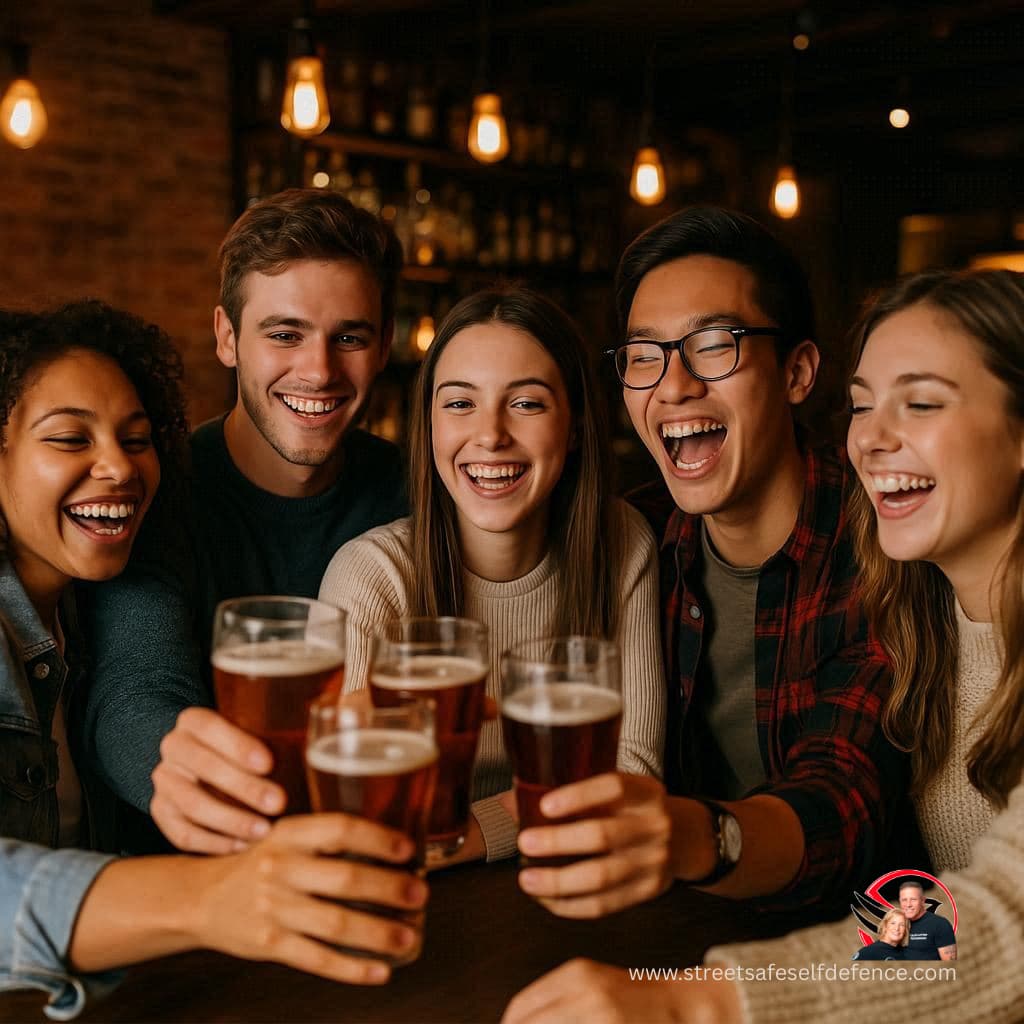
Baylie Grogan’s story isn’t unique. Just months earlier, University of Missouri student Riley Strain disappeared after a night out in Nashville, his body later found in a river. Security footage showed him stumbling and disoriented after being overserved at bars, raising questions about what exactly happened to him that night. These aren’t isolated incidents. They’re part of a growing crisis that’s claiming young lives across North America, and it’s happening closer to home than most Canadian families realize.
If you’re a parent sending a child off to university this fall, or if you’re a student reading this because your parents forwarded it to you, this conversation might save a life. Because the reality is that drink spiking (secretly adding drugs or excessive alcohol to someone’s beverage) has evolved far beyond the stranger-danger scenarios we typically imagine. Today’s threats are coming from within social circles, disguised as pranks, games, and peer pressure, making them harder to detect and more dangerous than ever.
Quick takeaways
- Drink spiking now often comes from people inside a social circle, not just strangers at a bar.
- Persistent pressure to drink one specific drink is one of the clearest warning signs.
- Keep your drink in your hand, open your own drinks, and leave as a group if anyone feels off.
- If someone says they don’t feel right, believe them, get them somewhere safe, never leave them alone, and call 911 for serious symptoms.
- Parents: make it clear your child can always call you for help, no questions asked.
Closer Than You Think
While American cases like Baylie’s and Riley’s make headlines, Canadian students face similar risks. According to the Canadian Women’s Foundation, one in four women will experience sexual assault during their university years, with alcohol-facilitated assault being a significant factor. The Ontario Provincial Police reported a 23% increase in drug-facilitated sexual assault cases between 2019 and 2022, though experts believe this represents only a fraction of actual incidents due to underreporting.
In 2023, multiple Canadian universities issued warnings about suspected drink spiking incidents. The University of British Columbia’s campus security reported several cases where students were hospitalized after consuming drinks they believed had been tampered with. Similarly, McGill University in Montreal saw a cluster of incidents during frosh week that prompted campus-wide safety alerts.
The challenge with Canadian statistics is that drink spiking often goes undetected and unreported. Many victims wake up with gaps in their memory, feeling sick and disoriented, but never connect their symptoms to potential drugging. Others feel shame or embarrassment, particularly if they were drinking alcohol voluntarily before their drink was spiked.
Dr. Sarah Chen, a toxicologist at Toronto General Hospital, explains that the most commonly used substances in drink spiking, GHB, Rohypnol, and ketamine, are designed to be undetectable. “These drugs are colorless, odorless, and tasteless,” she notes. “They’re metabolized quickly by the body, which means that by the time someone realizes they’ve been drugged and seeks medical attention, the evidence may already be gone.”
The New Face of Drink Spiking
Perhaps the most disturbing trend in drink spiking is how it’s evolved within social groups. Gone are the days when parents could simply warn their children about accepting drinks from strangers at bars. Today’s perpetrators are often people victims know: classmates, fraternity brothers, sorority sisters, or friends of friends. They’re using drink spiking as entertainment, turning someone’s vulnerability into a twisted game.
This phenomenon, sometimes called “drink roulette,” involves groups of people secretly drugging one person’s beverage and then watching to see who becomes impaired. The “game” element comes from other group members trying to identify who was targeted. What participants often don’t realize is that they’re committing a serious crime that can result in hospitalization, sexual assault, or death.
Emma Rodriguez, a third-year student at the University of Toronto, experienced this firsthand during her sophomore year. “I was at a house party with people I’d known since first year,” she recalls. “Someone kept insisting I try this new energy drink they’d brought. They were really persistent about it, almost pushy. I thought they were just being friendly.” Within an hour, Emma was disoriented and nauseous. Her friends found her passed out in a bathroom, and she spent the night in the hospital. “The worst part was finding out later that it was supposed to be funny. Someone thought it would be hilarious to see me ‘lose it’ at the party.”
The social dynamics make these situations particularly dangerous because victims let their guard down around people they trust. They’re more likely to accept drinks, less likely to watch their beverages carefully, and more inclined to dismiss warning signs as simply having had too much to drink.
Recognizing the Warning Signs
One of the most reliable indicators that someone may be attempting to spike your drink is persistent pressure to consume a specific beverage. This pressure often comes disguised as friendliness, hospitality, or concern for your well-being, making it difficult to recognize as a red flag.
The persistent pusher might insist you try their “special” cocktail, claiming they made it just for you. They might express concern that you’re not drinking enough water and repeatedly offer you a specific bottle or cup. They could present themselves as the designated drink-maker for the group, insisting on preparing everyone’s beverages personally. In some cases, they’ll claim that a particular drink has special properties (it’ll help you sober up, give you energy, or cure your headache) and become increasingly insistent that you consume it.
What makes this behavior particularly insidious is that it often mimics genuine care and friendship. A real friend might encourage you to drink water if you seem intoxicated, but they won’t be pushy about you drinking from a specific container. A genuine host might offer you various beverage options, but they won’t become agitated or overly focused if you decline a particular drink.
This is where things get blurry, and dangerous. When someone repeatedly insists you drink something specific, especially when it seems out of proportion to the setting or your comfort level, that persistence is a red flag. It’s not about being rude. It’s about staying safe.
The New Rules of Going Out
A young woman close to me was drugged at a bar by the bartender, who had been paid to drop roofies into her drink behind the bar before he gave it to her. When threats can come from anywhere, vigilance isn’t paranoia. It’s survival.
- The Glass-to-Hand Rule. Simple but powerful: once you have a drink, it either stays in your hand or goes with you. No setting it down on ledges, speaker tops, or random tables. If you need to use the bathroom, dance, or step outside, your drink comes with you or gets thrown out. A new drink costs a few dollars; your safety is priceless.
- The Drink Wingman or Wingwoman. If you’re standing at the bar ordering, the person next to you becomes your drink guardian. That’s their only job for those 30 seconds: watching your drink from pour to hand-off. This isn’t about not trusting bartenders; it’s about creating a culture where drinks are never unattended, even briefly.
- The “Open It Yourself” Rule. You’re the one breaking the seal, not someone handing you an already-open drink. This applies to water bottles, canned beverages, even drinks that look completely innocent. If someone offers you an opened container, politely ask for a fresh one or get your own.
- Group Exit Protocol. If one person feels “off,” the whole group leaves together. No “we’ll meet you later” or “just give us five more minutes.” Make this a non-negotiable part of your group’s safety culture. The person who feels wrong might not be thinking clearly enough to insist, so everyone else needs to step up automatically.
- Drink Covers. Yes, those little covers that go over your glass or bottle opening are becoming a real trend, and for good reason. What used to seem overly cautious is now being embraced by students who understand that a $5 drink cover is a small price for peace of mind. They’re showing up at parties, bars, and campus events as a normal part of going out safely. Major brands are making them stylish and practical, and some even change color when they detect common date rape drugs. Don’t let anyone make you feel silly for using one; the people who matter will respect your commitment to staying safe.
- Trust Your Gut. If something feels wrong, it probably is. Don’t second-guess your instincts to be polite or avoid seeming paranoid. Your subconscious often picks up on danger signals before your conscious mind does. Honor that feeling and act on it immediately.
These strategies work because they create multiple layers of protection and make safety everyone’s responsibility, not just the potential victim’s. They also normalize vigilance, making it easier for people to speak up when they notice something concerning.
The Critical Response Window
The period immediately after someone realizes they don’t feel right is crucial for their safety. Unfortunately, this is also when their judgment and ability to advocate for themselves is most compromised. This is why the response of friends and bystanders becomes so important.
If someone says they don’t feel right, believe them immediately. Don’t dismiss their concerns as simply having had too much to drink, especially if their level of impairment seems disproportionate to how much alcohol they’ve consumed.
The most important thing friends can do is get the person to safety immediately. This means leaving the party, bar, or social gathering right away, not in a few minutes or after finishing current drinks. Take them home or to a safe location where they can be monitored by people they trust. Do not leave them alone, even for a few minutes, as their condition could deteriorate rapidly.
Call 911 right away if the person is showing signs of serious distress: difficulty breathing, unconsciousness, seizures, or extreme confusion. Don’t worry about getting in trouble for underage drinking or drug use; medical professionals are focused on saving lives, not enforcing laws.
Consider seeking medical attention even if the person seems stable. Emergency room staff can conduct tests to determine what substances are in their system, provide appropriate treatment, and document the incident for potential legal proceedings. Time is critical for drug testing, as many substances used in drink spiking are metabolized quickly and may not be detectable after just a few hours.
A New Safety Role: The Designated Drink Watcher
Just as groups designate drivers to stay sober and ensure everyone gets home safely, the concept of designated drink watchers is gaining traction as a practical safety measure. This person’s job isn’t to stay completely sober, but rather to remain alert enough to monitor the group’s beverages and watch for signs that someone might be in trouble.
Throughout the evening, the designated drink watcher:
- Keeps track of where everyone’s drinks are and who has access to them.
- Watches for people who seem overly interested in others’ beverages or who are being pushy about drink consumption.
- Monitors group members for signs of unexpected intoxication or distress.
- Makes sure no one leaves alone with someone they don’t know well.
- Is prepared to intervene if someone seems to be in a dangerous situation.
This role should rotate among friend groups so that the same person isn’t always responsible for everyone else’s safety. The drink watcher system works best when combined with other safety measures. Groups should establish check-in times throughout the evening, agree on signals that indicate someone needs help, decide in advance how they’ll handle situations where someone seems impaired, and have a plan for getting everyone home safely.
The Conversation Parents Need to Have
For parents, discussing drink spiking with college-bound children requires delicate balance. You want to provide important safety information without creating paralyzing fear or suggesting that your child can’t be trusted to make good decisions. The key is framing the conversation around awareness and preparation rather than prohibition and fear.
Start by acknowledging that your child will likely encounter alcohol and social situations where drinking occurs, regardless of their age or your family’s values about alcohol consumption. This isn’t about condoning underage drinking; it’s about recognizing reality and ensuring your child is prepared for situations they’re likely to encounter.
Explain that drink spiking can happen to anyone, regardless of how much they drink or how careful they are. Emphasize that being victimized is never the victim’s fault, and that seeking help after being drugged is always the right choice, even if it means admitting to drinking underage or making other choices you might not approve of.
Discuss the importance of trusting instincts and speaking up when something feels wrong. Many young people, especially women, are socialized to be polite and avoid making others uncomfortable, even when their safety might be at risk. Help your child understand that it’s okay to be rude, to refuse drinks, to leave parties early, and to ask for help when they need it.
Most importantly, emphasize that you’re available for help in emergency situations, no questions asked. Many young people avoid calling parents when they’re in trouble because they’re afraid of getting in trouble or disappointing their families. Make it clear that their safety is more important than any rules they might have broken.
Hope Through Action
While the reality of drink spiking is sobering, there’s reason for hope. Awareness of the issue is growing, safety technologies are improving, and young people are increasingly willing to look out for each other. Universities are implementing better prevention programs, and law enforcement is taking these crimes more seriously.
The key is translating awareness into action. For students, this means taking safety precautions seriously, looking out for friends, and speaking up when something seems wrong. For parents, it means having honest conversations about risks and safety, supporting your children’s decisions to prioritize safety over social pressure, and advocating for better protections at institutional levels.
Have the Conversation That Might Save a Life
The conversation about drink spiking isn’t easy, but it’s necessary. Whether you’re a parent preparing to send a child to university or a student reading this because someone who cares about you shared it, remember that knowledge is power. Understanding the risks, recognizing the warning signs, and knowing how to respond can make the difference between a close call and a tragedy.
Your safety matters. Your friends’ safety matters. And sometimes, being the person who speaks up, who insists on leaving early, or who refuses to let someone go home alone can save a life. In a world where drink spiking has become too common, being that person isn’t just admirable. It’s essential.
Resources for Survivors and Support
If you or someone you know has been a victim of drink spiking, remember that what happened is not your fault, and you don’t have to face this alone.
Emergency and Crisis Support
- Call 911 if someone is unconscious, having difficulty breathing, or showing signs of overdose
- Poison Control Centre: 1-800-268-9017 (available 24/7 across Canada)
- Crisis Text Line: Text HOME to 686868 for immediate crisis support
National Support Services
- Canadian Association of Sexual Assault Centres: 1-877-717-2272
- Kids Help Phone: 1-800-668-6868 or text CONNECT to 686868 (for anyone under 30)
Campus Resources
Most Canadian universities offer comprehensive support including:
- Campus security (24/7 safety concerns and incident reporting)
- Student counselling services (free, confidential mental health support)
- Sexual violence prevention and response offices
- Health and wellness centres (medical care including drug testing)
- Student legal aid services
Provincial and Territorial Support Resources
Ontario
- Sexual Assault/Rape Crisis Centre of Toronto: 416-597-8808
- Ontario Coalition of Rape Crisis Centres: ocrcc.ca
British Columbia
- VictimLink BC: 1-800-563-0808 (24/7, available in multiple languages)
- Ending Violence Association of BC: endingviolence.org
Alberta
- Association of Alberta Sexual Assault Services: aasas.ca
- Calgary Communities Against Sexual Abuse: 403-237-5888
Quebec
- SOS Violence Conjugale: 1-800-363-9010
- Regroupement québécois des CALACS: rqcalacs.qc.ca
Saskatchewan
- Regina Sexual Assault Centre (24/7): 306-352-0434 | Toll-Free: 1-844-952-0434
- Sexual Assault Services of Saskatchewan: sassk.ca
Manitoba
- Klinic Sexual Assault Crisis Line (24/7): 204-786-8631 | Toll-Free: 1-888-292-7565
- Manitoba Justice Victim Services: Toll-Free 1-866-484-2846
New Brunswick
- Fredericton Sexual Assault Crisis Centre (24/7): 1-506-454-0437, fsacc.ca
Nova Scotia
- Avalon Sexual Assault Centre: avaloncentre.ca
- Transition House Association of Nova Scotia: thans.ca
Prince Edward Island
- PEI Rape and Sexual Assault Centre: peirsac.org
- Family Violence Prevention Services PEI: fvps.ca
Newfoundland and Labrador
- NL Sexual Assault Crisis and Prevention Centre: endsexualviolence.com
- Transition House Association of Newfoundland and Labrador: thanl.org
Yukon
- Yukon Victim Services: 867-993-5831
- After-hours Support via VictimLink BC: 1-800-563-0808
- Yukon Women’s Transition Home: womenstransitionhome.ca
Northwest Territories
- Yellowknife Victim Services (24-hour line): 867-920-2977
- NWT Help Line (24/7): 1-800-661-0844
Nunavut
- Kamatsiaqtut Help Line: 1-800-265-3333 (every night from 7 PM to midnight ET)
- Additional Community Services: gov.nu.ca
Outside Canada
United States: Local support is available in every state. Call the National Sexual Assault Hotline (RAINN) at 1-800-656-4673 (24/7), or use the RAINN Service Finder or the NSVRC Find Help page to find trusted help in your area.
United Kingdom: Support is available across the country. Use the Rape Crisis Centre Finder or The Survivors Trust to locate a local support centre. You can also call 0808 802 9999 for 24/7 confidential help.
Europe: Country-specific help is available across the EU and surrounding nations. Use the WAVE Network’s directory to find verified crisis centres, helplines, and shelters near you. Services are confidential and often available in multiple languages.
Remember: You have the right to choose how much support you want to access. There’s no “right” way to respond, and good support services will respect your choices and timeline. Reaching out for support is a sign of strength, not weakness.
If this gave you even one new tool or moment of clarity, please share it. With a teen. With a parent. With someone heading off to school. The more of us who know, the harder it becomes for anyone to get away with this.
One conversation could make all the difference.
