
HEALTHCARE WORKERS VIOLENCE PREVENTION
CARE
Clinical awareness & response to escalation
OVERVIEW
CARE - Because healthcare professionals deserve better
CARE (Clinical Awareness & Response to Escalation)
Violence Should NOT Be Part of Their Job
When it comes to healthcare safety, CARE is Street Safe Self Defence Training Company’s violence prevention and behavioural awareness program developed specifically for healthcare professionals. It was built because traditional aggression management programs often focus on physical intervention after behaviour has already escalated, while CARE teaches staff how to recognize, understand, and influence behaviour before it reaches that point.
CARE is based on the philosophy that violence is often predictable and preventable when healthcare workers understand human behaviour, environmental factors, and the difference between emotional distress and deliberate violence.
What CARE Teaches
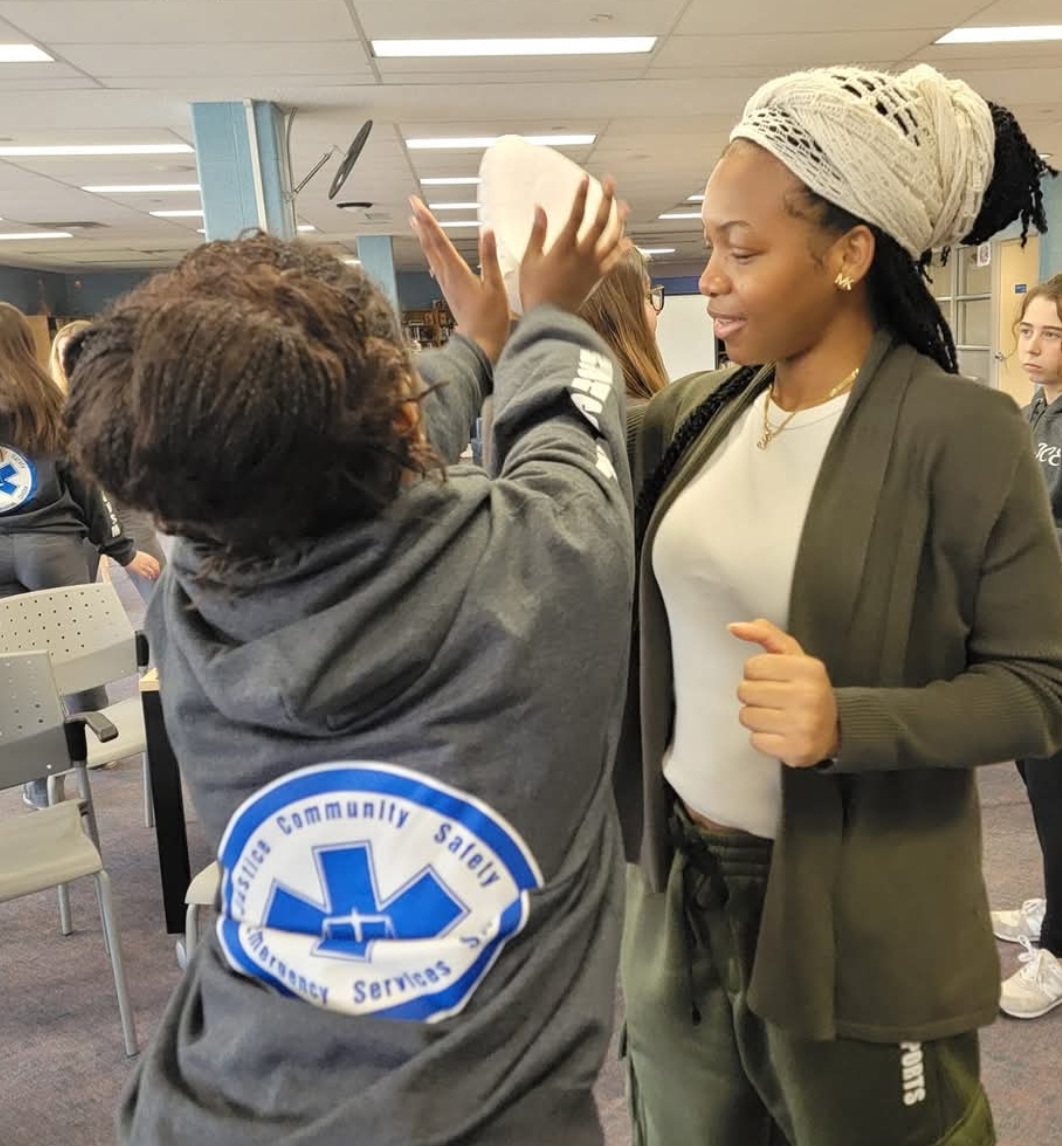
CARE does not teach healthcare workers to “fight patients.” It teaches them how to recognize risk, manage escalation, and protect themselves while preserving the dignity of the person in their care.
Staff learn to:
- Recognize behavioural and emotional changes that may indicate escalation.
- Understand why aggression occurs and what may be driving it.
- Differentiate between fear, frustration, confusion, trauma, mental illness, and criminal intent.
- Assess changing risk and respond before control is lost.
- Use practical communication and de-escalation strategies.
- Maintain safe positioning, awareness, and personal boundaries.
- Recognize when verbal de-escalation is no longer working.
- Apply safe, non-striking, medically appropriate contact techniques when physical intervention becomes unavoidable.
The goal is not to overpower the individual. It is to prevent injury, regain safety, and bring the incident under control.
The CARE philosophy
CARE addresses frontline healthcare safety by recognizing that hospitals, clinics, long-term care homes, community health centres, and home-care environments are unique. Healthcare professionals cannot simply walk away from an escalating patient.
Instead, they must balance:
- Patient care
- Compassion
- Staff safety
- Legal obligations
- Clinical responsibilities
CARE teaches staff how to accomplish all five simultaneously.

Core Principles
CARE is built around practical principles that help staff recognize risk earlier, respond appropriately, and make safer decisions under stress.
- Situational Awareness: Understanding what is happening, what is changing, and what may happen next.
- Behavioural Awareness: Recognizing changes in communication, emotion, posture, attention, and movement that may indicate escalation.
- Environmental Awareness: Identifying exits, confined spaces, obstacles, potential weapons, and other conditions that may increase risk.
- Trauma-Informed Practice: Responding in ways that preserve dignity and avoid creating unnecessary fear, distress, or further trauma.
- De-Escalation: Using communication, positioning, boundaries, and appropriate intervention to reduce conflict whenever possible.
- Personal Safety: Protecting staff without unnecessarily escalating or attempting to overpower the individual
TOPICS covered
Depending on the organization, CARE can include:
- Understanding violence as human behaviour
- Social versus A-Social violence
- Recognizing pre-assault indicators
- Managing emotionally charged interactions
- Family member aggression
- Patient aggression
- Drug and alcohol impairment
- Mental health crises
- Domestic violence presentations
- Strangulation awareness (Non-Fatal Strangulation)
- Personal space management
- Verbal de-escalation
- Environmental safety
- Safe escorting and movement
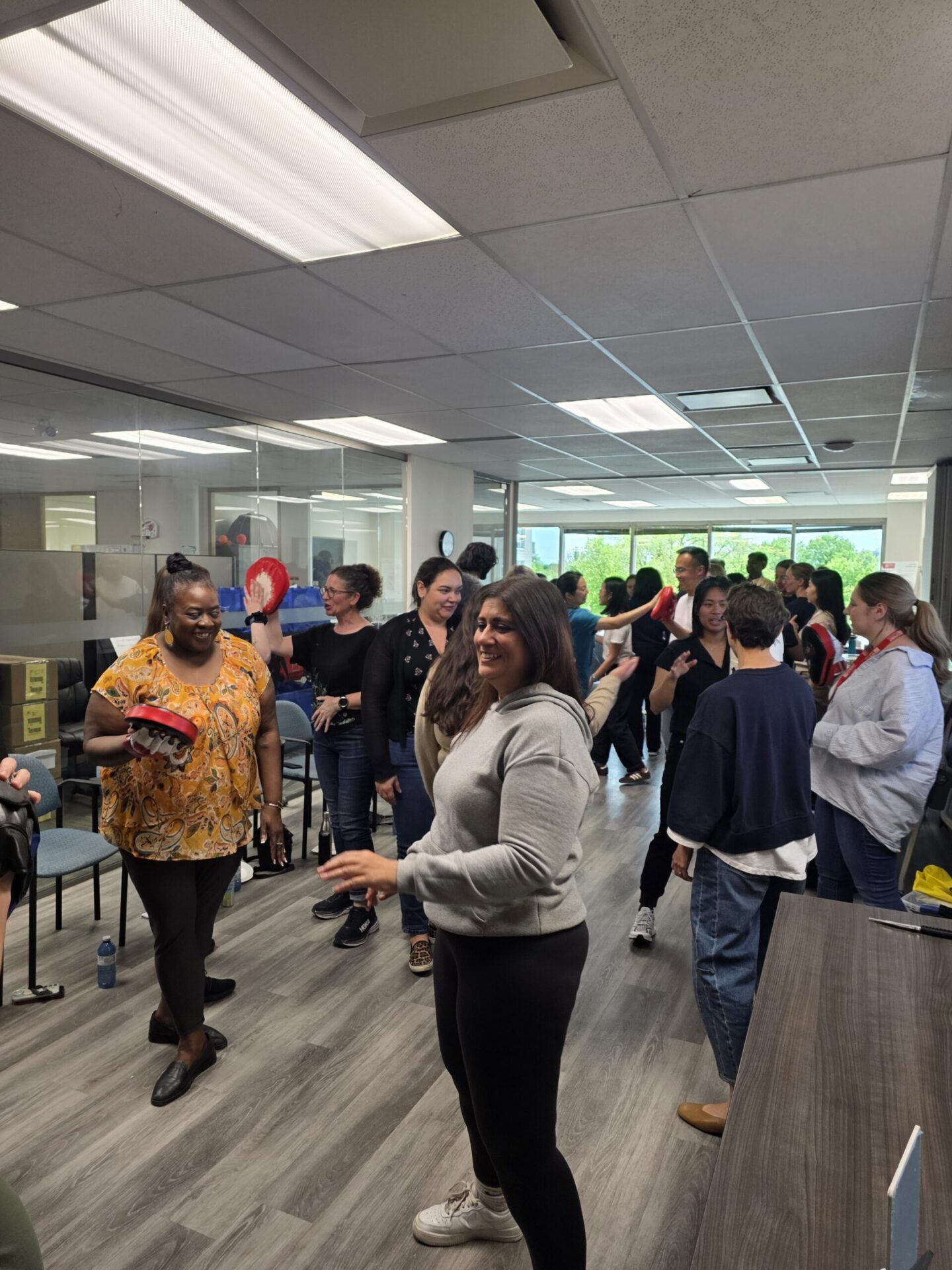
- Low-force protective contact techniques
- Team response
- Incident documentation
- Post-incident recovery

CARE is designed for
- Nurses
- Physicians
- Personal Support Workers
- Unit Clerks
- Security staff
- Social Workers
- Occupational Therapists
- Physiotherapists
- Home-care staff
- Community outreach workers
- Mental health professionals
- Long-term care staff
- Hospital leadership
What makes CARE different
Many workplace violence programs focus heavily on restraint or defensive tactics.
CARE starts much earlier.
It asks: Why is this person escalating?
When staff understand the behavioural drivers behind aggression, they can often interrupt the escalation long before restraint becomes necessary.
When physical intervention is required, CARE teaches practical, low-force responses designed to protect both the healthcare worker and the patient while reducing the risk of injury.
About Street Safe
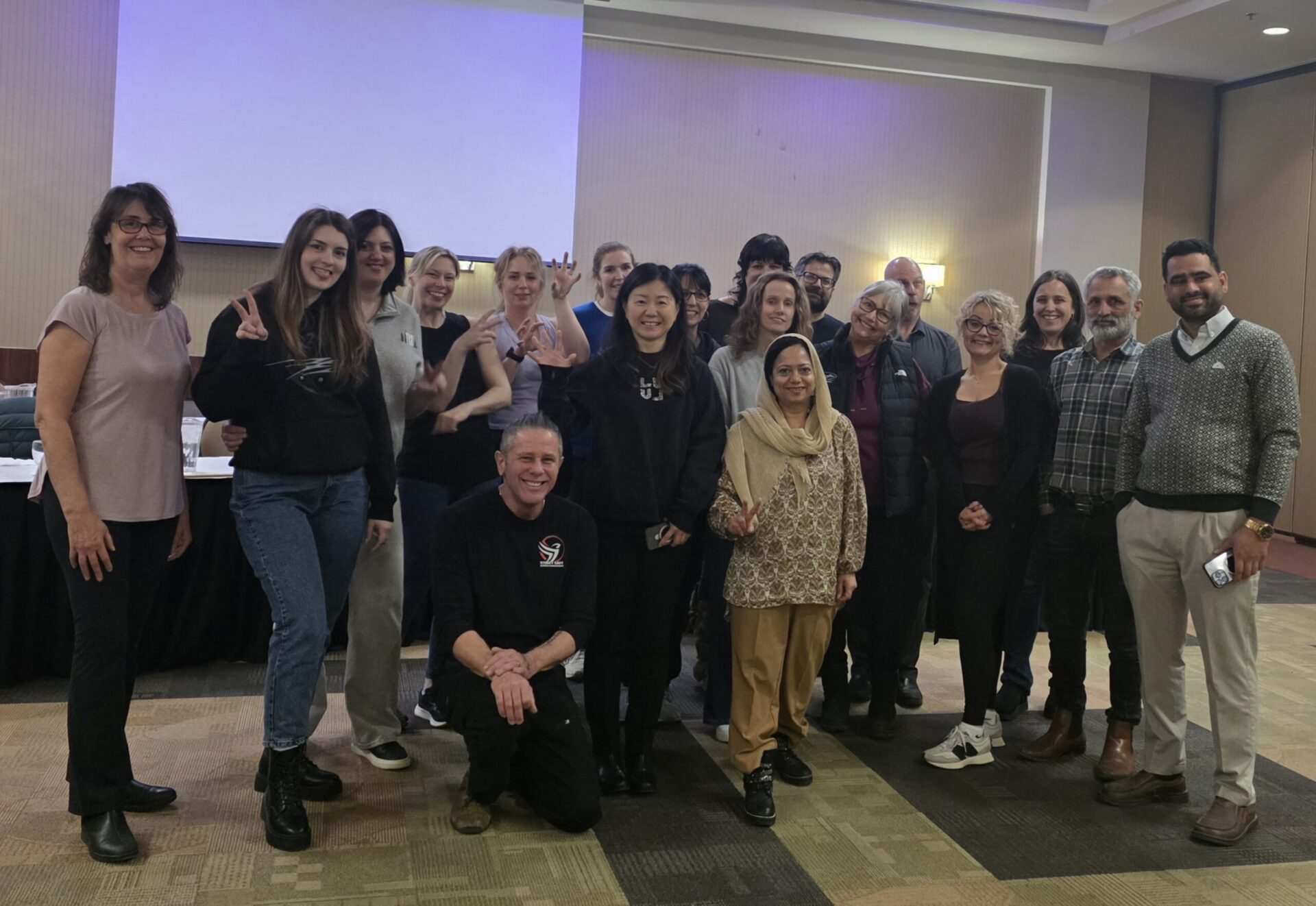
CARE was developed by Rob Andress and Beth Andress, founders of Street Safe Self Defence Training Company. Drawing on decades of experience in violence prevention, behavioural awareness, and frontline education, they designed CARE to reflect the realities healthcare professionals face every day.
Like every Street Safe program, CARE follows the company’s guiding philosophy:
“Stop the Before, So the After Never Happens.”
Rather than teaching people how to win a fight, CARE teaches them how to recognize risk early, reduce escalation whenever possible, and respond safely when prevention is no longer enough.
WHAT THIS TRAINING DELIVERS FOR YOUR ORGANIZATION
This course equips organizations with practical frameworks and real-world skills to recognize, prevent, and respond to modern digital fraud and human-centered risk in everyday work environments.
- Recognizing Early Threat Behaviour
- Understanding the Causes of Aggression
- Social vs A-Social Violence
- Building a Culture of Shared Awareness
- Identifying Behavioral Red Flags in in Communication
- Situational, Environmental and Self Awareness
- Spacial Management & Control
- Trauma Informed Communications
- De-Escalation and Boundry Setting
- Decision Making Under Stress
- Medically Appropriate Contact Skills
- Documentation and Team Communication
Benefits
Course Takeaways
Self defence training teaches you more than how to protect yourself from attacks. You’ll also learn a variety of lifelong skills that can be applied in everyday life.
earlier recognition of violence
Staff learn to identify behavioural, emotional, and environmental changes before an incident becomes physical, giving them more time and more options to respond.
better decisions under stress
Staff learn to assess changing risk, recognize when communication is working, and choose the safest response based on the individual, the environment, and the level of danger.
Safer de-escalation and intervention
Staff develop practical communication, positioning, and boundary-setting skills, along with non-striking, medically appropriate options when physical intervention becomes unavoidable.
Stronger team response to violence
Staff learn to communicate clearly, coordinate their actions, and document the behaviours observed, the risks identified, and why their response was reasonable and necessary.
TESTIMONIALS
Word on the street
Check out what some of our past clients have said about our programs!
What we know
We’re grateful that so many people and organizations across the nation have trusted us with their self defence training.

Healthcare Workers Are Being Injured
In Ontario healthcare, allowed lost-time injuries connected to workplace violence increased from 993 in 2020 to 1,654 in 2024—a rise of nearly 67%. These figures only represent accepted injuries serious enough to result in lost work time, not every threat, assault, or unreported incident.
Most Training Is Not Reality-Based
Policies, scripted de-escalation, and static restraint techniques do not fully prepare staff for a frightened, aggressive, or violent person. Healthcare workers need training built around real human behaviour, changing risk, stress, confined environments, and the moment communication stops working.
Healthcare Has a Violence Problem
Healthcare workers experience workplace violence at four times the rate of other professions—and much of it is never reported. Violence has been normalized as “part of the job.” It is not.
FAQ
Important Questions
To Ask Yourself
What is CARE, and who is it designed for?
Clinical Awareness & Response to Escalation (CARE) is a behaviour-based workplace violence prevention program for healthcare professionals and support staff. It is designed for hospitals, long-term care, mental health services, clinics, community care, and other environments where staff may encounter agitation, aggression, or violence.
Does CARE teach healthcare workers to fight or overpower patients?
No. CARE is not martial arts or force-based restraint training. Staff learn early recognition, risk assessment, communication, positioning, disengagement, and non-striking, medically appropriate contact skills. The goal is to prevent injury, restore safety, and preserve the individual’s dignity.
How is CARE different from traditional crisis-intervention training?
CARE begins before the crisis. It teaches staff to recognize behavioural changes, assess the individual and environment, and understand when de-escalation is working—or failing. It also prepares staff to make decisions under stress, coordinate with their team, and safely respond when physical intervention becomes unavoidable.
Self Defence Training Programs
Protect Yourself Today
Looking for a comprehensive, specialized, and unique self defence training program that will teach
you lifetime skills in as little as five hours? We can help! Contact us today to get started!