

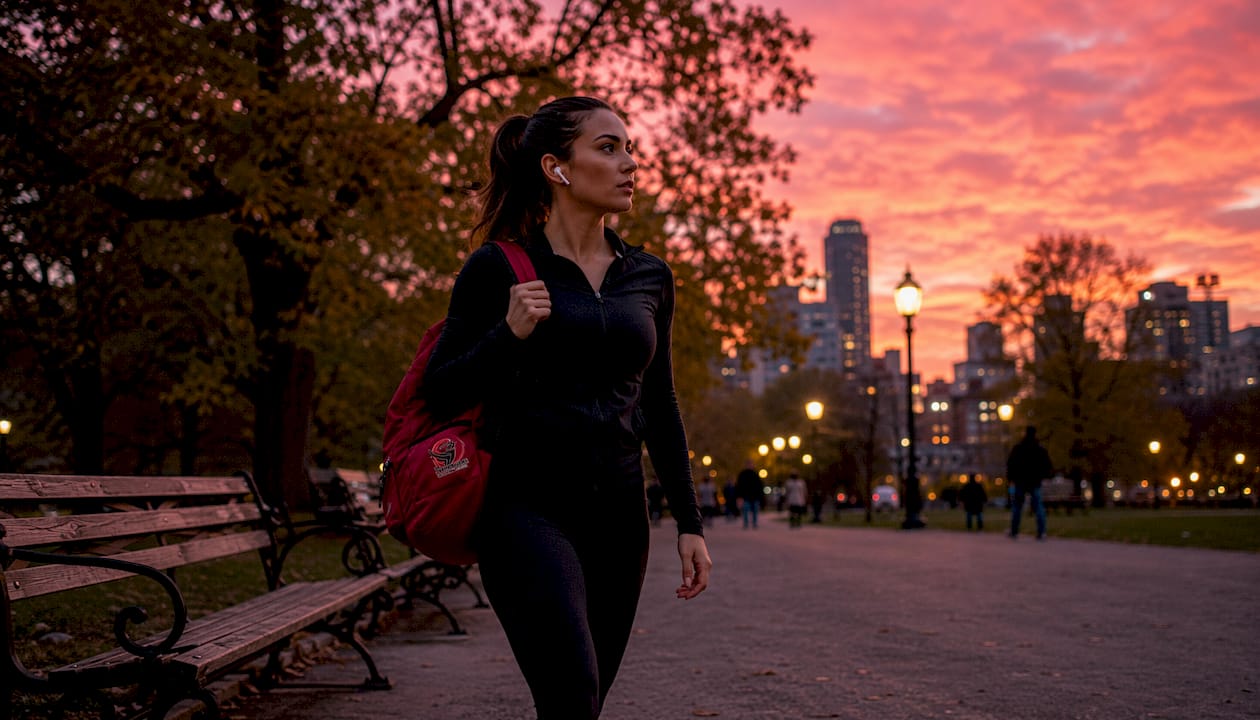
Protecting yourself from violent situations is defined as a layered set of skills combining situational awareness, verbal boundaries, physical distance, and basic self-defence techniques to reduce risk and exit threats quickly. Most people think of self-protection as a last resort. The reality is that the vast majority of violent encounters are preventable well before any physical contact occurs. Streetsafeselfdefence teaches this principle in every course: your best defence is recognising danger early and acting before it escalates. This guide walks you through each layer of that protection, from reading your environment to knowing what to do if someone grabs you.
How to protect yourself from violent situations: start with awareness
Situational awareness is the single most effective violence avoidance method available to you. Avoiding distractions like earbuds and phone use enhances personal safety by keeping your attention on the environment around you. Attackers consistently seek easy, distracted targets. Projecting confidence and staying alert signals that you are not one of them.
Recognising pre-incident indicators is a skill that safety trainers call reading the room before the room turns dangerous. Behavioural cues like a bladed stance or the “interview” (questions designed to close distance and assess your vulnerability) are warning signs that a situation is escalating. Noticing these signs early gives you time to move, speak, or leave before anything physical happens.
Practical habits that build awareness:
- Keep your phone in your pocket when walking in public spaces
- Scan entrances and exits when you enter any new environment
- Trust your instincts when something feels wrong. Trusting that instinct early is a legitimate and effective safety strategy
- Maintain a 360-degree view by checking behind you periodically
- Avoid positioning yourself with your back to a room or doorway
Pro Tip: You do not need proof that something is wrong to leave. Feeling uncomfortable is enough reason to change your location.
What are effective verbal boundary setting and de-escalation strategies?
Clear verbal boundaries are one of the most underrated self-defence techniques available. Attackers often test limits by invading personal space, blocking paths, or ignoring a direct “no.” A firm, calm verbal response interrupts that testing behaviour and signals to bystanders that something is wrong.
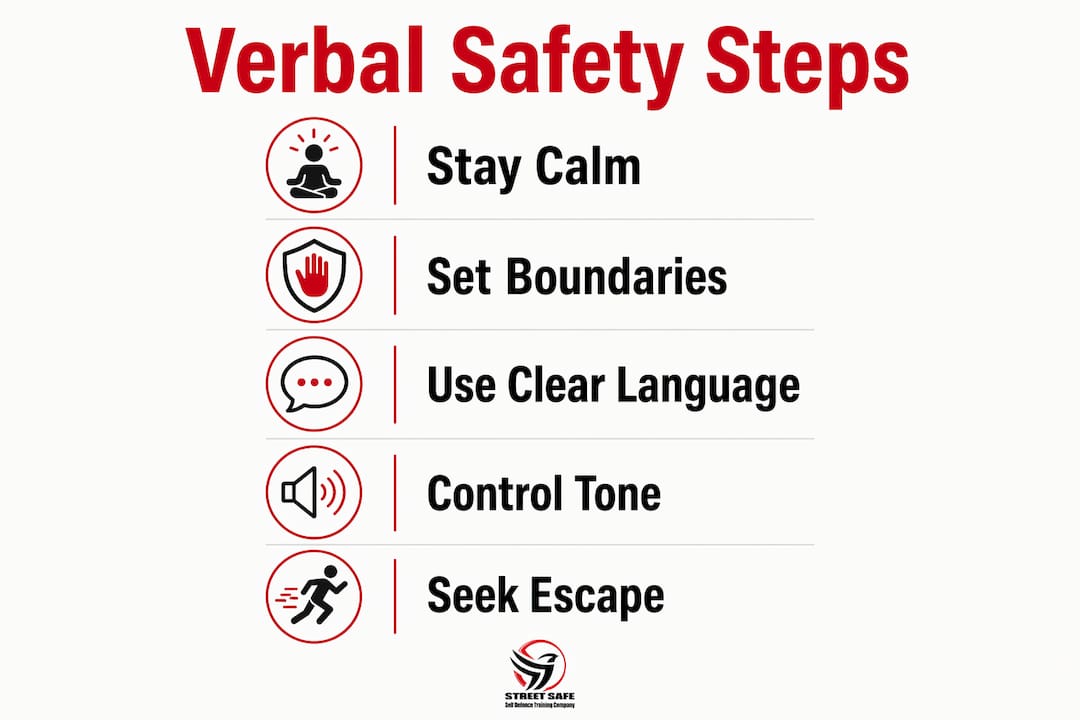
Verbal de-escalation works through a specific sequence. Follow these steps when you sense aggression building:
- Use a calm, firm tone. Speak clearly and avoid shouting. Controlled speaking volume encourages the aggressor to lower their voice and perceive you as composed.
- Acknowledge without agreeing. Say “I can see you’re upset” rather than “You’re right.” This technique validates emotion without conceding ground or escalating the conflict.
- Set a clear boundary. Use short, direct phrases: “Step back,” “I need you to stop,” or “I’m leaving now.” Avoid long explanations.
- Give an exit route. Position yourself so the aggressor can walk away without losing face. Cornered people escalate. Giving them space to leave often ends the confrontation.
- Move toward safety. Keep moving toward an exit, a populated area, or a physical barrier while you speak.
Pro Tip: Speak as if you are calm even when you are not. Your tone regulates the emotional temperature of the encounter more than your words do.
How to create safe distance and identify escape routes
Physical distance is a tactical resource. Every metre between you and a potential aggressor gives you more time to react, call for help, or escape. The goal is not to stand your ground. The goal is to reach safety.
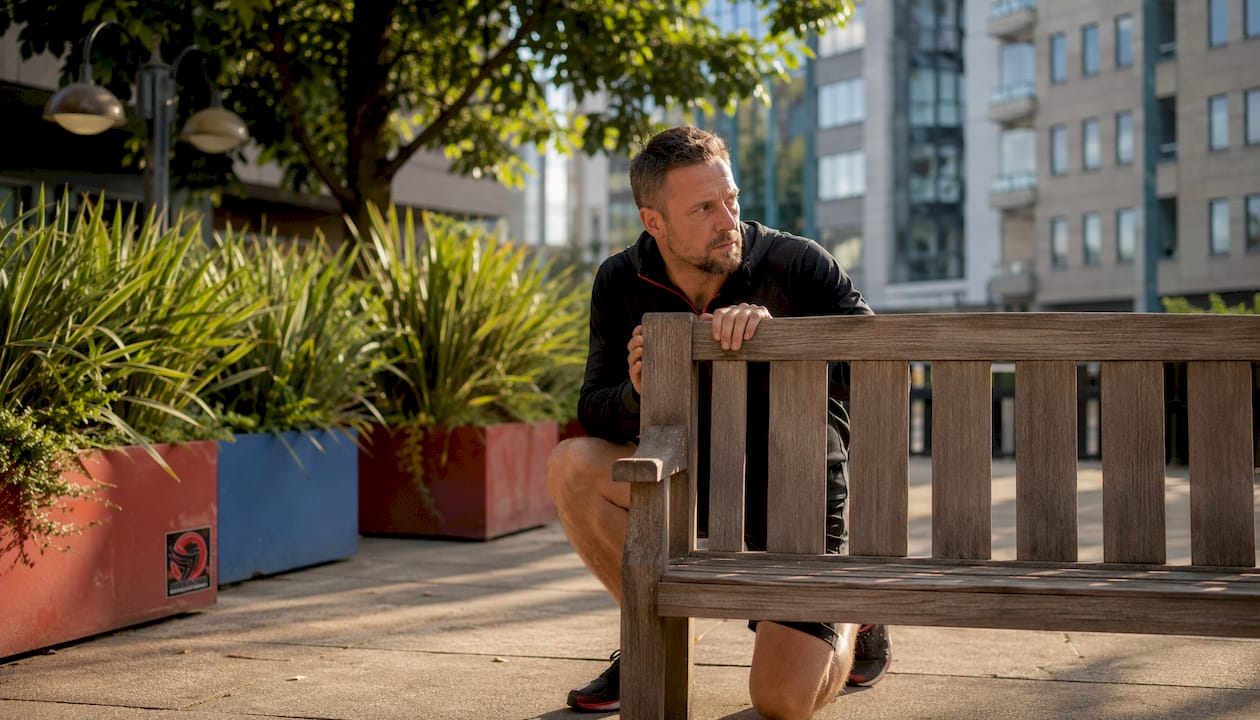
Body language plays a direct role in creating and maintaining distance. A calm, open stance with hands visible at chest height signals awareness without aggression. It also positions your hands to protect your face if needed. Avoid crossing your arms or turning your back on someone who feels threatening.
Identifying escape routes is a habit you can build anywhere:
- Note the two nearest exits when you enter a building, car park, or public space
- Identify populated areas nearby: shops, restaurants, or any space with other people
- Look for physical barriers you can move behind if needed
Physical barriers like cars, tables, or chairs provide critical time and space to escape. They do not need to stop an aggressor permanently. They only need to slow them down long enough for you to get away.
| Scenario | Distance tactic | Escape option |
|---|---|---|
| Followed on foot | Cross the street, change pace | Enter a shop or public building |
| Confronted in a car park | Move toward other people | Drive away or use vehicle as barrier |
| Cornered indoors | Use furniture as barrier | Move toward exit or shout for help |
| Approached at night | Increase pace, stay in lit areas | Enter any open business immediately |
What basic physical self-defence techniques can help you escape?
Physical self-defence has one goal: create an opportunity to escape. Real-world self-defence aims to create escape opportunities, not to win a fight. Keeping that goal in mind prevents you from escalating a situation unnecessarily.
Under extreme stress, your body’s heart rate can exceed 175 bpm. At that level, fine motor skills degrade significantly, making complex techniques unreliable. Effective physical defence relies on gross motor movements, which use large muscle groups and remain functional under pressure. That means palm strikes, knee strikes, and elbow strikes rather than precise joint locks or complex sequences.
Key techniques worth practising:
- Palm strike: Drive the heel of your palm forward into the attacker’s nose or chin. It is powerful, low-risk to your own hand, and requires no fine motor control.
- Knee strike: If grabbed at close range, drive your knee upward into the attacker’s groin or thigh. This creates immediate pain and space to escape.
- Elbow strike: At very close range, the elbow is the hardest striking surface on your body. A sharp elbow to the jaw or temple disrupts an attacker’s focus.
- Escape from a wrist grab: Rotate your arm toward the attacker’s thumb, which is the weakest point of any grip. Targeting the weak link between the thumb and fingers disrupts the hold more effectively than pulling against the full hand.
Pro Tip: Practise these movements slowly and repeatedly until they feel natural. Under stress, your body defaults to what it has rehearsed, not what it has read about.
For anyone new to physical self-protection, understanding what to expect in a first lesson removes the uncertainty that keeps many people from starting.
How to develop a personal safety plan
A personal safety plan is a written, practised strategy that covers what you will do before, during, and after a threatening situation. Experts recommend five pillars for a comprehensive safety plan: trusted contacts, safe places, planned routes, emergency essentials, and digital security. Each pillar addresses a different failure point in a crisis.
Your safety plan should include:
- Trusted contacts: Two or three people who know your routine and will act quickly if they cannot reach you
- Safe places: Locations you can reach on foot from the places you frequent most, including 24-hour businesses and police stations
- Planned routes: Familiar paths that avoid isolated areas, especially at night
- Emergency kit: A charged phone, a personal alarm, and any non-lethal safety tools you are trained and licenced to carry
- Digital security: Location sharing with a trusted contact during high-risk activities, and familiarity with your phone’s emergency SOS function
Mobile phones’ emergency features support personal safety but work best when you have practised using them under pressure. Knowing where the SOS button is before you need it makes a real difference.
| Safety pillar | Practical action |
|---|---|
| Trusted contacts | Share your schedule with two people who will check in |
| Safe places | Identify three locations near your daily routes |
| Planned routes | Walk your routes in daylight before using them at night |
| Emergency kit | Test your phone’s SOS function monthly |
| Digital security | Enable location sharing during solo travel or late nights |
Adapt your plan as your circumstances change. A plan that worked last year may not account for a new job, a new neighbourhood, or a change in routine. Review it every few months.
Key takeaways
Protecting yourself from violent situations requires layered preparation: awareness prevents most threats, verbal skills defuse many more, and physical techniques provide a last resort focused entirely on escape.
| Point | Details |
|---|---|
| Awareness is your first defence | Staying alert and avoiding distractions deters attackers who target distracted people. |
| Verbal boundaries stop escalation | Clear, calm phrases and giving aggressors an exit route prevent most confrontations from turning physical. |
| Distance and barriers buy time | Keeping space between you and a threat, and using barriers, creates the seconds you need to escape. |
| Gross motor moves work under stress | Palm strikes, knee strikes, and elbow strikes remain effective when fine motor skills fail under pressure. |
| A written safety plan closes gaps | Trusted contacts, planned routes, and practised emergency tools reduce risk across all situations. |
Why mindset matters more than most people realise
I have worked with people from every background, from high school students to professionals who travel alone regularly. The single biggest gap I see is not physical skill. It is the belief that personal safety is something that happens to you rather than something you actively shape.
Most people wait for a situation to feel dangerous before they start paying attention. By that point, the window for easy prevention has already closed. The people who stay safest are the ones who treat awareness as a habit, not a reaction. They scan exits when they walk into a room. They notice when someone’s behaviour shifts. They leave when something feels wrong, without waiting for proof.
Physical techniques matter. But confidence is what an attacker reads first. A person who moves with purpose, makes eye contact, and does not hesitate is a far less appealing target than someone who looks uncertain. That confidence is not something you are born with. It is something you build through preparation and practice. Violence prevention starts with awareness, and awareness starts with deciding that your safety is worth your attention.
The goal is never to fight. The goal is always to go home.
— Rob
Practical training that builds real confidence
Personal safety skills are most effective when they are practised, not just read about. Streetsafeselfdefence delivers mobile self-defence training directly to you, covering awareness, verbal boundaries, escape tactics, and physical techniques in as little as five hours.
The programme is built for real people, not athletes. It is trauma-informed, accessible to all fitness levels, and designed around the situations you actually face. Whether you are a student, a professional, or a parent, the skills transfer directly to your daily life. Courses are available for individuals and groups, and the mobile format means training comes to your location. If you are ready to move from reading about safety to practising it, Streetsafeselfdefence is a practical next step.
FAQ
What is the most effective way to avoid a violent encounter?
Situational awareness is the most effective method. Staying alert, avoiding distractions, and recognising pre-incident behavioural cues allows you to leave or redirect a situation before it escalates.
Do I need to be fit or strong to defend myself?
Physical fitness helps but is not required. Effective self-defence techniques rely on gross motor movements using large muscle groups, which remain functional under stress regardless of fitness level.
What should I do if someone grabs me?
Rotate your arm toward the attacker’s thumb, which is the weakest point of any grip. This technique disrupts the hold without requiring strength, creating space to escape.
How long does it take to learn basic self-defence skills?
Streetsafeselfdefence delivers practical, real-world self-protection training in as little as five hours. That is enough time to build awareness habits, verbal skills, and key physical techniques.
Is verbal de-escalation really effective in dangerous situations?
Yes. Clear verbal boundaries and calm, controlled speech interrupt an attacker’s testing behaviour and reduce escalation in the majority of confrontations before any physical contact occurs.