

What are online self defense classes, and why do they matter in Canada?
Online self defense classes are structured digital programmes that teach practical, reality-based violence prevention skills through video instruction, guided exercises, and scenario-based learning. They are not about mastering complex martial arts sequences. The focus is on situational awareness, threat recognition, and simple physical responses that work under real-world pressure.
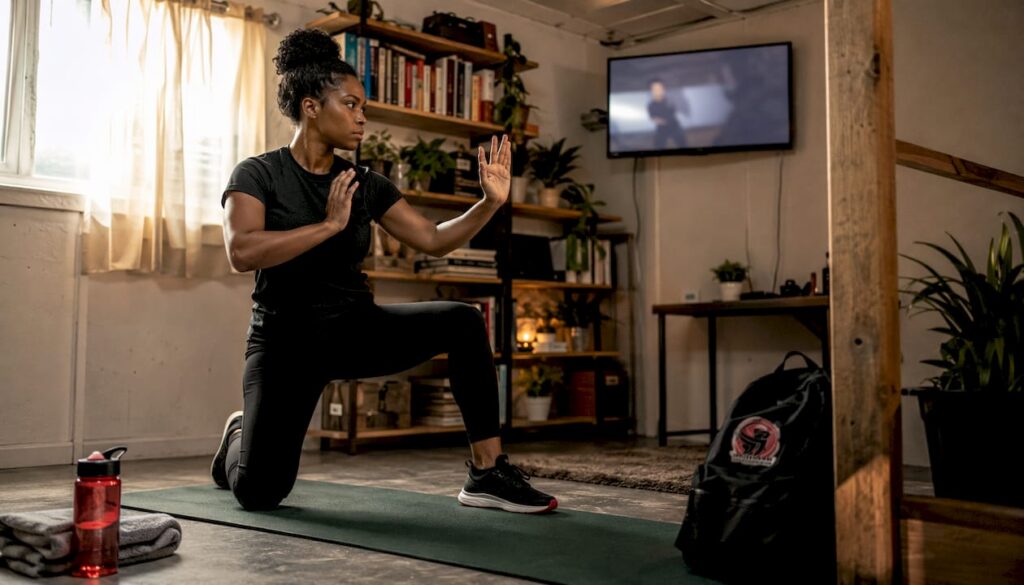
For Canadians, the appeal is straightforward. Geography, shift work, caregiving responsibilities, and cost all create barriers to attending a local studio. Virtual self defense training removes those barriers entirely.
Key benefits include:
- Accessibility: You can train from anywhere in Canada, whether you are in downtown Toronto or a remote northern community.
- Trauma-informed instruction: Quality programmes build skills without re-traumatising participants, a standard Streetsafeselfdefence applies across all its offerings.
- Situational awareness focus: Experts stress that online training excels at developing threat-avoidance mindset, often more than physical technique alone.
- Flexible scheduling: Self-paced or live-session formats fit around work, school, and family.
- Certification options: Many self defense courses online offer CPD-accredited certificates upon completion, useful for Canadian workplaces with safety training requirements.
Commonly taught styles include reality-based self-protection, foundational martial arts elements, and risk minimisation strategies. Most platforms require only a stable internet connection and a device capable of streaming video. That said, online training has real limits. Without a partner and live feedback, complex physical techniques cannot be fully developed through a screen alone.
Table of Contents
- How do you get the most out of self defense lessons online?
- Streetsafeselfdefence brings training directly to you
- Key takeaways
How do you get the most out of self defense lessons online?
Choosing the right programme matters as much as showing up consistently. When evaluating self defense courses online, look for trauma-informed instruction, a reality-based curriculum, and instructors with verifiable credentials. For Canadian learners, confirm whether any certificate aligns with your workplace or industry safety standards before enrolling.
Professionals recommend treating online courses as a starting point, not a finish line. Here is how to build real skills beyond the screen:
- Practise daily, even briefly: Regular physical rehearsal builds the muscle memory and fighting spirit that make techniques usable under stress.
- Focus on simple, high-impact moves: Instructors warn that online students should avoid chasing complex choreography. A few reliable responses, drilled consistently, outperform a long list of techniques you have only watched.
- Set up a safe practice space: Clear furniture, wear comfortable clothing, and use a mirror when possible to check your form.
- Supplement with in-person sessions: Hybrid training, combining online learning with local or mobile in-person workshops, closes the gap that screen-only learning cannot bridge.
- Build your awareness habits off-screen: Apply situational awareness skills daily, in parking lots, transit, and unfamiliar environments, not only during training sessions.
Pro Tip: Before your first online session, write down one realistic scenario you want to feel prepared for. Keeping that scenario in mind sharpens how you absorb every lesson.
Streetsafeselfdefence’s self-defence techniques for beginners resource is a practical reference for anyone building foundational skills alongside online learning.

Streetsafeselfdefence brings training directly to you
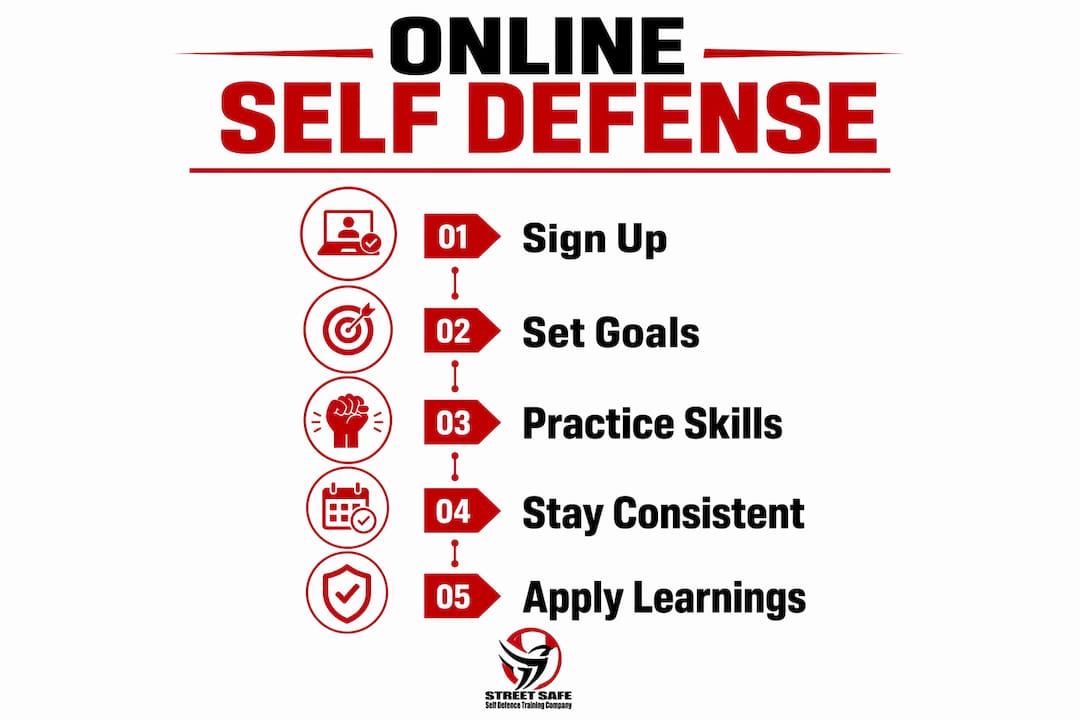
Streetsafeselfdefence offers something most online programmes cannot: mobile, on-site training that comes to you anywhere in Canada. Whether you are a corporate team, a school group, an Indigenous community, or a professional like a real estate agent, Streetsafeselfdefence delivers trauma-informed, reality-based violence prevention workshops tailored to your group’s specific context. Participants consistently report stronger confidence and sharper safety awareness after completing the programme. Online learning builds your foundation. Streetsafeselfdefence’s mobile training builds the rest. Book your first session and find out what to expect.
Key takeaways
Reality-based online self defense classes build situational awareness and foundational skills best when combined with consistent physical practice and in-person training.
| Point | Details |
|---|---|
| Online training strengths | Develops situational awareness and risk-avoidance mindset effectively for all fitness levels. |
| Certification relevance | CPD-accredited certificates are available from many programmes; verify Canadian workplace compliance before enrolling. |
| Supplement with practice | Daily physical rehearsal builds muscle memory that screen-only learning cannot replace. |
| Focus on simplicity | Simple, high-impact moves drilled consistently outperform complex techniques learned passively online. |
| Streetsafeselfdefence | Mobile, trauma-informed workshops delivered across Canada complement online learning with real-world, partner-based practice. |
