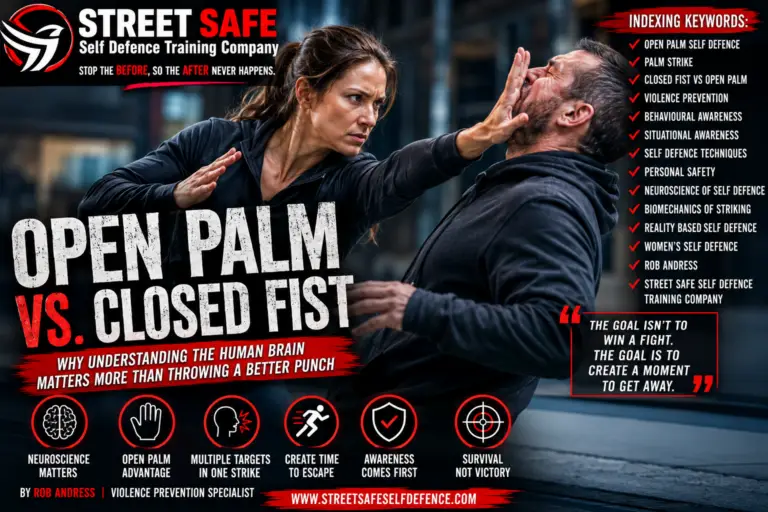
Learn how body language, perceived intent, and the brain’s response to danger influence conflict—and why effective prevention begins before physical force becomes necessary.
Learn how understanding your instincts, boundaries, emotional responses, strengths, and vulnerabilities can improve decision-making and strengthen your personal safety in difficult situations.
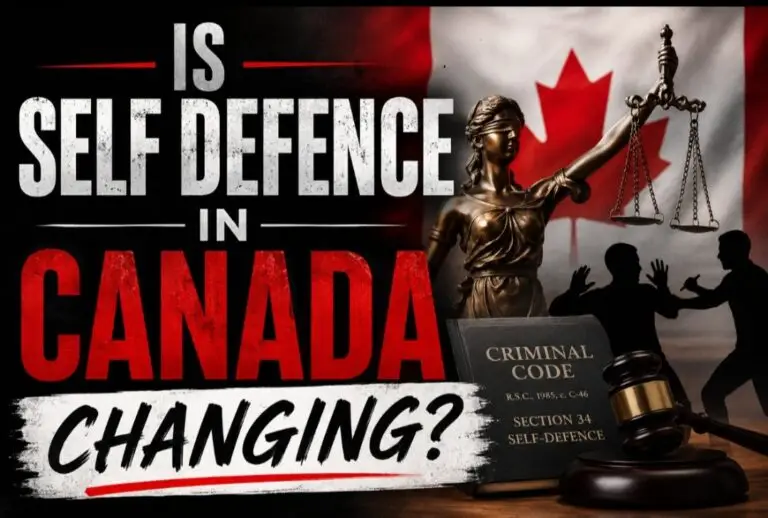
Explore how Canadian attitudes, laws, and training approaches are shifting toward awareness, prevention, proportional response, and practical real-world personal safety.
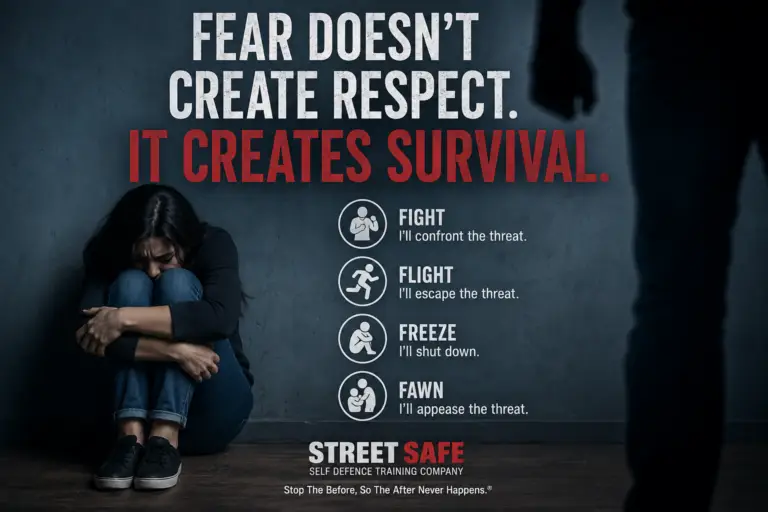
Fear can trigger fight, flight, freeze, or fawn responses—not genuine respect. Learn why intimidation damages trust, affects decision-making, and creates survival behaviour in workplaces, schools, relationships, and other…
Explore why people comply with authority, how status and social pressure influence decisions, and when questioning instructions becomes essential for personal safety.
Teach young men how empathy, consent, boundaries, emotional awareness, and responsible intervention help create safer relationships, challenge harmful behaviour, and protect schools, workplaces, and communities.
Teachers also face aggression, threats, and escalating behaviour. Learn why educators need practical training in early recognition, de-escalation, personal safety, and emergency response.