Safety guides for students, parents and teachers, written by the team behind Street Safe’s school programs. Topics include school safety, bullying and how to talk with teens about staying safe. See the High School Self Defence program, which covers the Personal Safety component of the Healthy Living curriculum.
Learn how manipulation, uncertainty, and boundary testing can create confusion before violence occurs-and how recognizing these behaviours early supports safer, more confident decisions.
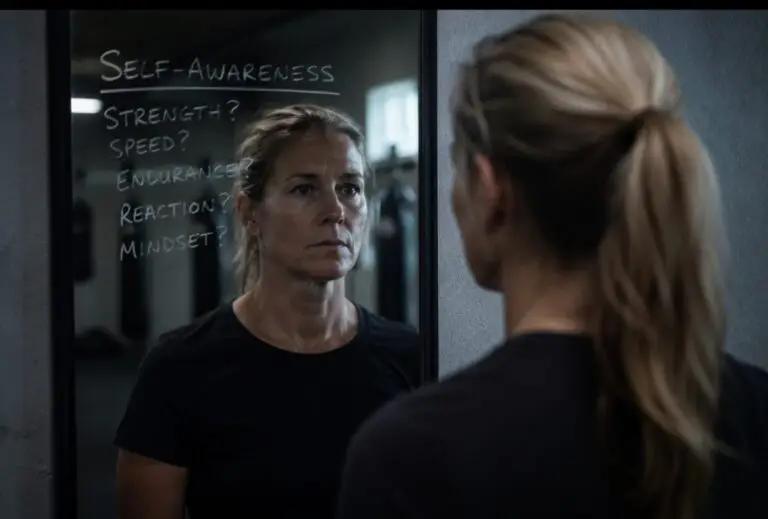
Learn how understanding your instincts, boundaries, emotional responses, strengths, and vulnerabilities can improve decision-making and strengthen your personal safety in difficult situations.
Explore how Canadian attitudes, laws, and training approaches are shifting toward awareness, prevention, proportional response, and practical real-world personal safety.
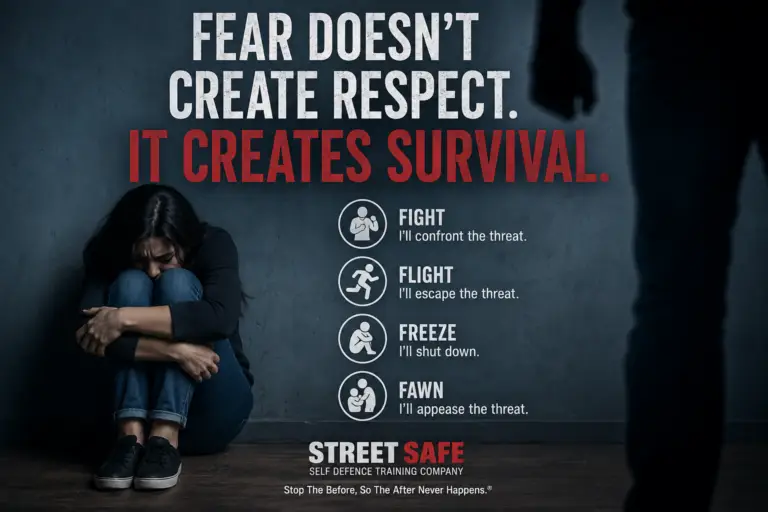
Fear can trigger fight, flight, freeze, or fawn responses—not genuine respect. Learn why intimidation damages trust, affects decision-making, and creates survival behaviour in workplaces, schools, relationships, and other…
Explore why people comply with authority, how status and social pressure influence decisions, and when questioning instructions becomes essential for personal safety.
Understand how power imbalances and silence enable abuse—and why safeguarding policies, clear boundaries, accountability, and safe reporting processes are essential.
Teach young men how empathy, consent, boundaries, emotional awareness, and responsible intervention help create safer relationships, challenge harmful behaviour, and protect schools, workplaces, and communities.
Teachers also face aggression, threats, and escalating behaviour. Learn why educators need practical training in early recognition, de-escalation, personal safety, and emergency response.
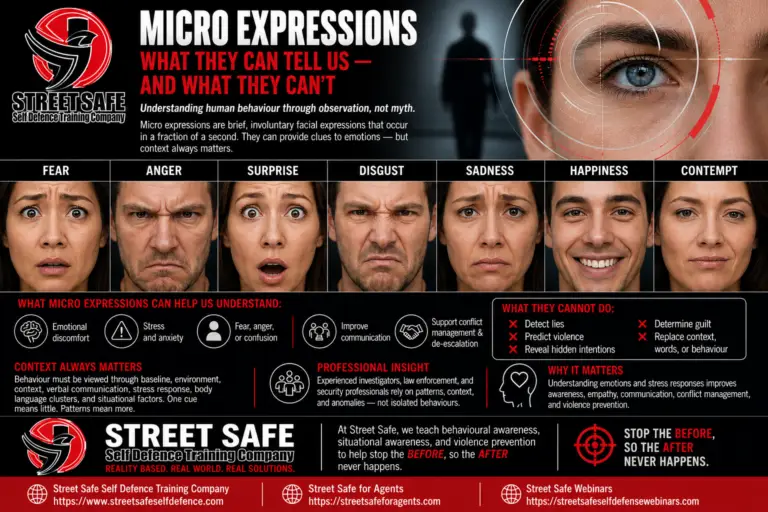
Understand how micro-expressions may provide behavioural clues, why they cannot reliably prove deception, and how they fit within broader situational awareness.
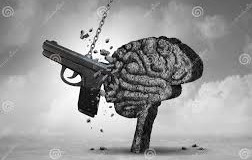
Explore how the brain, nervous system, stress hormones, learned behaviour, and environmental influences can shape aggression and violent responses—and how understanding these biological processes supports earlier recognition, prevention,…