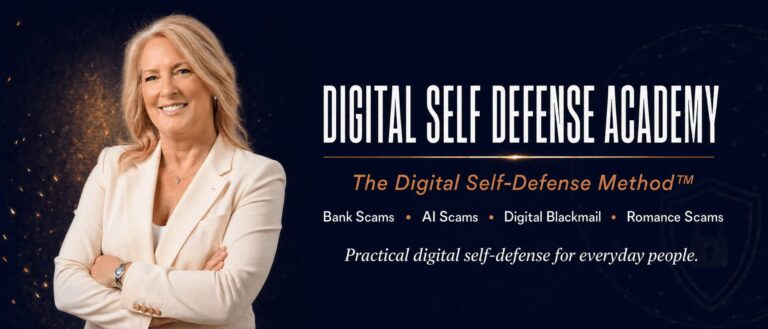
Guides to recognizing scams, fraud and online manipulation before they cost you money or safety, from Beth Andress, founder of the Digital Self-Defense Academy. Organizations can also book Digital Risk and Fraud Awareness training for their teams.
Follow a one hour, seven step routine Canadians can finish to secure email, banking and key accounts: password manager, MFA, automatic updates, backups...
Use a practical two step system to stop deepfake scams: run quick media and behaviour red flag checks, then confirm money or data requests through a...
Learn practical ways to carry, handle, and secure your phone, recognize common pickpocket tactics, and protect your personal information in crowded places.
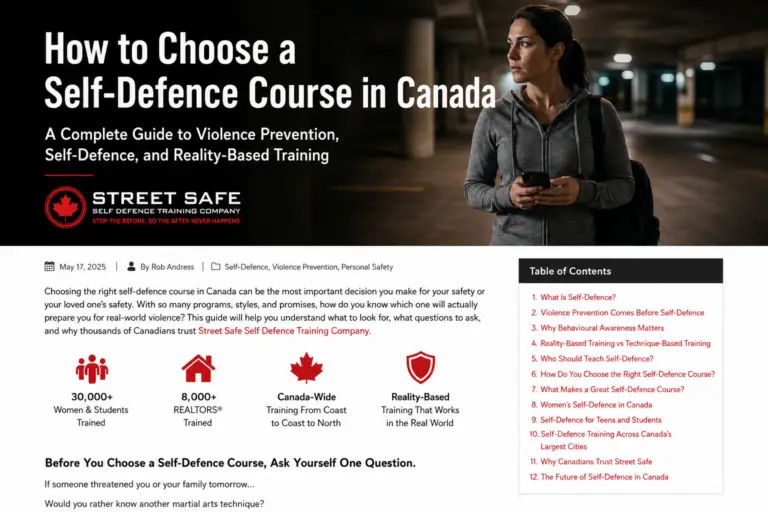
Learn what to evaluate in a Canadian self-defence course, including instructor qualifications, realistic training methods, safety standards, course content, and practical skills you can use.
Learn what qualifications, experience, teaching methods, and safety standards parents should examine before choosing a self-defence instructor for their daughter.