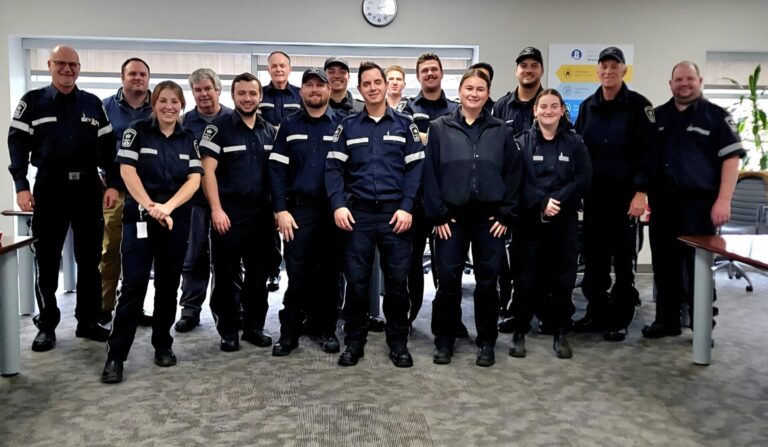
Explore why Canadian municipalities are prioritizing workplace violence prevention, employee preparedness, early risk recognition, and practical response training.
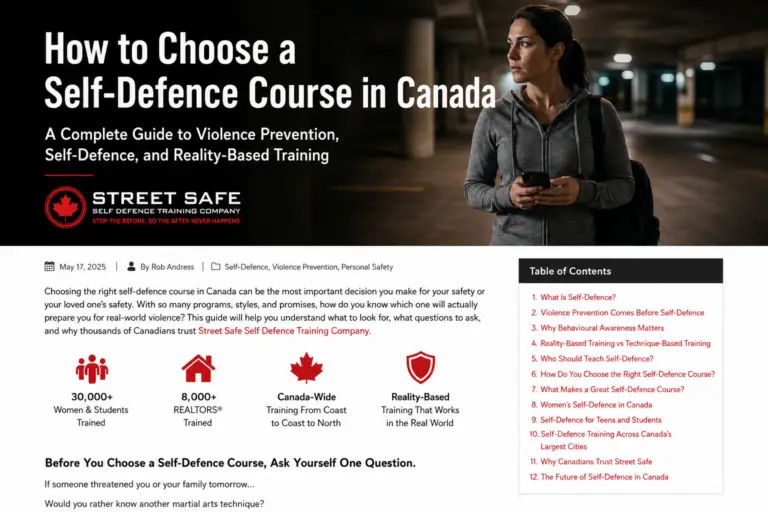
Learn what to evaluate in a Canadian self-defence course, including instructor qualifications, realistic training methods, safety standards, course content, and practical skills you can use.
Learn how manipulation, uncertainty, and boundary testing can create confusion before violence occurs-and how recognizing these behaviours early supports safer, more confident decisions.
Learn how understanding your instincts, boundaries, emotional responses, strengths, and vulnerabilities can improve decision-making and strengthen your personal safety in difficult situations.
Learn how understanding behaviour, recognizing warning signs, and making effective decisions can prevent escalation before physical intervention or another takedown becomes necessary.
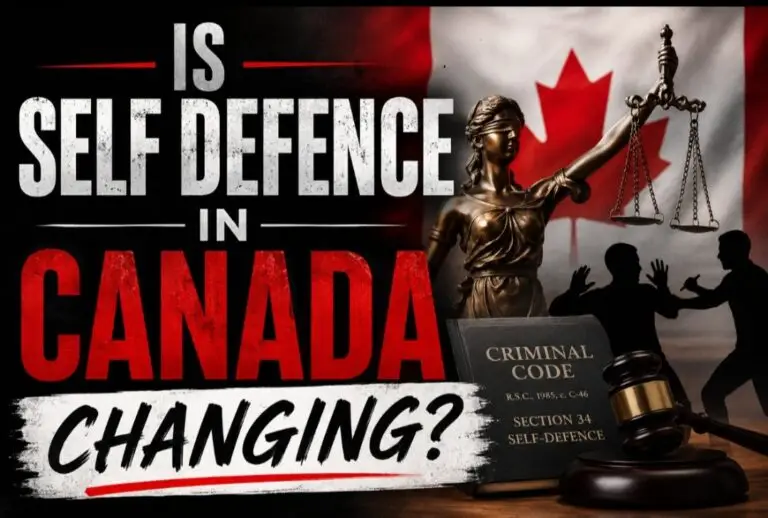
Explore how Canadian attitudes, laws, and training approaches are shifting toward awareness, prevention, proportional response, and practical real-world personal safety.
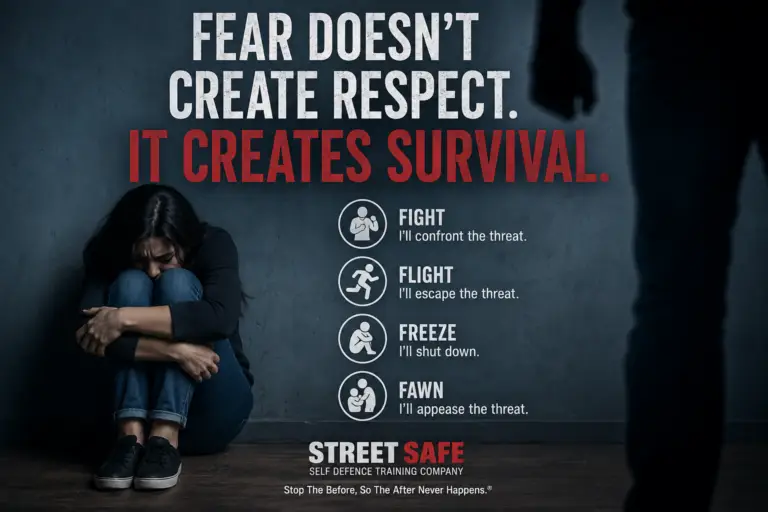
Fear can trigger fight, flight, freeze, or fawn responses—not genuine respect. Learn why intimidation damages trust, affects decision-making, and creates survival behaviour in workplaces, schools, relationships, and other…
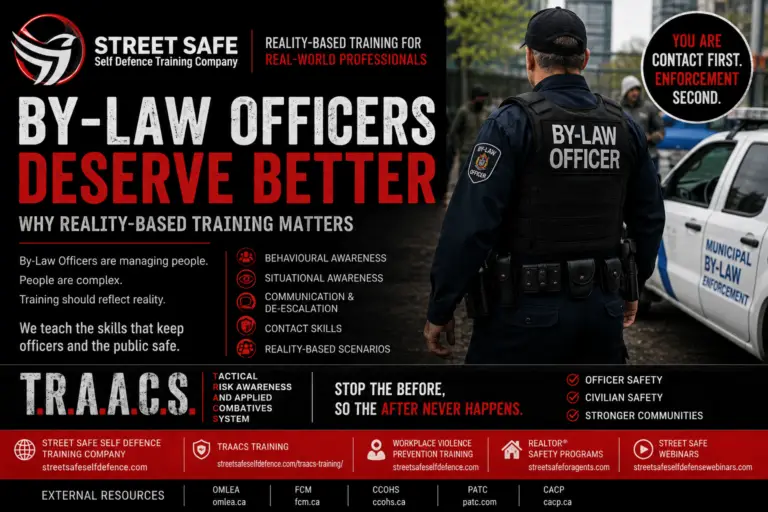
Learn why by-law officers need practical, scenario-based training in behavioural awareness, communication, de-escalation, decision-making, and personal safety—not enforcement skills alone.