

An acid attack is a deliberate assault in which a corrosive substance is thrown at a person to cause severe burns, disfigurement, or death. Knowing what to do in an acid attack can mean the difference between permanent scarring and a survivable injury. The single most critical action is immediate, continuous rinsing with cool running water for a minimum of 20 minutes, per 2026 first aid training standards. Every second of delay allows the acid to penetrate deeper into tissue. This guide covers first aid for acid burns, safe decontamination, what to do while waiting for help, common mistakes, and the legal protections now available to survivors.
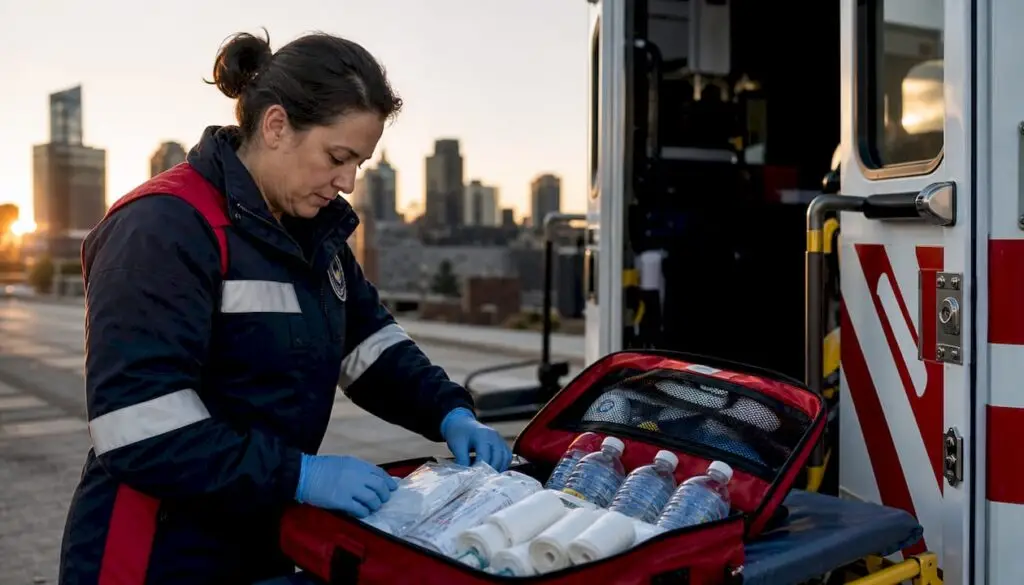
What to do in an acid attack: the first 60 seconds
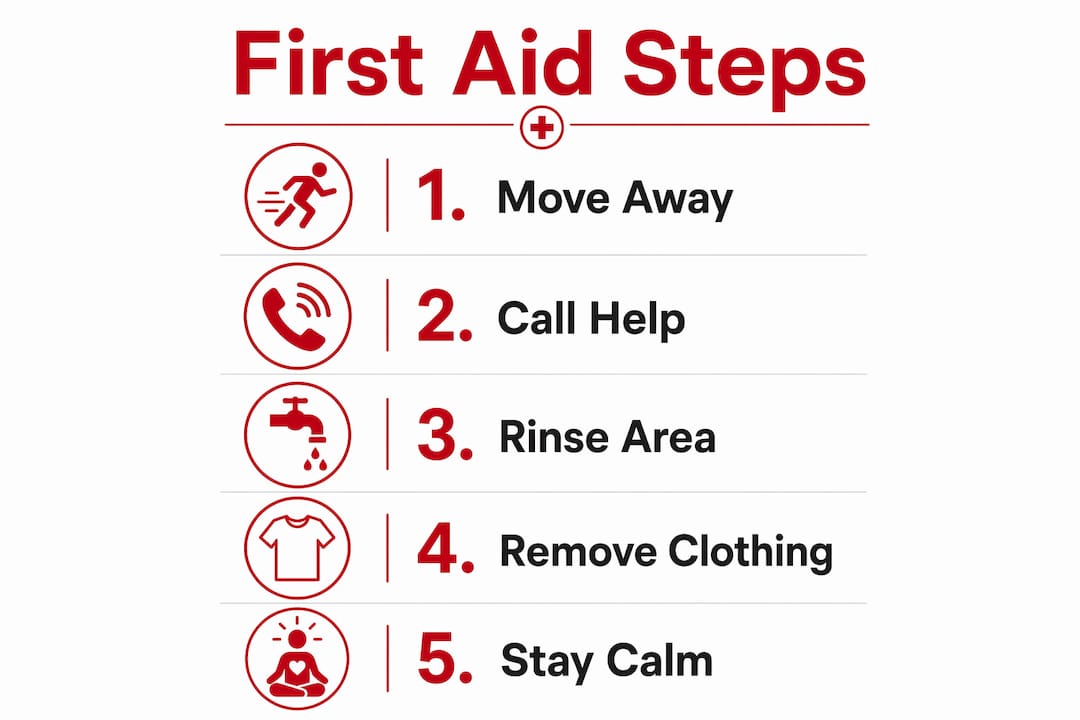
The first 60 seconds after an acid attack determine how severe the injury becomes. Move the victim away from the source of contamination and get them into open air immediately. Scene safety and ventilation are the first priorities, according to St John Ambulance, because enclosed spaces concentrate chemical fumes and put responders at risk too.
Call emergency services right away. In the UK, that means dialling 999 or 112. If two people are present, one should call while the other begins rinsing. Splitting these roles prevents any delay to either task. Tell the dispatcher that a corrosive chemical is involved so the right medical team is dispatched.
Begin rinsing the affected area with cool or lukewarm running water. Do not stop. The 20-minute minimum is not a suggestion. It is the standard set by 2026 first aid training guidelines, and the clock starts from the moment rinsing begins, not from the moment of the attack.
How to safely remove contaminated clothing and jewellery
Safe decontamination protects both the victim and the person helping. Follow these steps in order.
- Put on gloves and eye protection first. Wearing protective equipment reduces the risk of becoming a secondary casualty. If gloves are not available, use a plastic bag over your hands.
- Cut clothing away with scissors. Do not pull garments over the head. Pulling clothing over the face risks spreading acid to the eyes, mouth, and nose.
- Remove jewellery carefully. Metal items trap acid directly against the skin. Removing jewellery promptly reduces the contact time and limits how deeply the acid burns.
- Handle dry or powder-based acids differently. Brush off any dry powder before rinsing. Wetting a dry acid first can trigger a reaction that intensifies the burn.
- Begin continuous rinsing. Use a gentle flow of cool or lukewarm water. Avoid high-pressure streams, which spread acid to unaffected skin or onto the person helping.
- Keep the environment ventilated. Open windows and doors. Move outdoors if possible to prevent fume inhalation by everyone present.
Pro Tip: If scissors are not available, ask the victim to remove their own clothing by pushing it down and off their body rather than lifting it upward.
Never apply creams, lotions, or any other substance to the burned area. Creams trap acid against the skin and worsen tissue damage. The only correct treatment at this stage is water, applied continuously and gently.
What to do while waiting for emergency responders
Keeping the victim calm is a medical priority, not just a comfort measure. Panic accelerates heart rate and can worsen shock. Speak in a steady, reassuring voice and tell the victim that help is on the way.

Continue rinsing without interruption. If you run out of water at one tap, move to another source. A garden hose, a shower, or a clean bucket of water all work. The goal is uninterrupted irrigation until paramedics arrive.
While rinsing continues, monitor the victim closely:
- Consciousness: Is the victim responsive and alert? If they lose consciousness, place them in the recovery position and check their airway.
- Breathing: Watch for laboured or irregular breathing, especially if acid contacted the face or was inhaled.
- Eye involvement: If acid reached the eyes, rinse them separately with clean water, directing the flow from the inner corner outward.
- Shock symptoms: Pale skin, rapid shallow breathing, and confusion are signs of shock. Keep the victim warm and lying down if possible.
Do not apply any neutralising agent, baking soda, or vinegar. These substances cause exothermic reactions that generate heat and deepen the burn. Pass any information about the chemical involved to the emergency dispatcher. If the attacker used a labelled container, keep it for police and medical teams without touching it directly.
Set aside the victim’s contaminated clothing in a sealed bag. Police will need it as evidence. Handling it with gloves protects both you and the integrity of the evidence.
Common mistakes that make acid injuries worse
Most errors in acid burn first aid come from instinct. The instinct to neutralise, to wipe away, or to apply something soothing is wrong in every case.
- Do not attempt chemical neutralisation. Applying a base to an acid burn without medical training causes an exothermic reaction. Neutralising acid burns without training risks thermal injury on top of chemical injury.
- Do not use ice. Ice causes vasoconstriction and additional tissue damage. It does not stop the chemical reaction.
- Do not wipe the acid with a cloth or towel. Wiping spreads the acid to a larger surface area and pushes it deeper into the skin.
- Do not delay rinsing to search for antidotes. Every second spent looking for a “better” solution is a second the acid continues to burn.
- Do not remove clothing over the head. This is the most common clothing-removal error. Always cut or push clothing downward.
- Do not ignore your own safety. A responder who becomes contaminated cannot help the victim. Protect yourself first so you can continue to assist.
Pro Tip: Teach this list to your household before an emergency happens. Knowing what not to do is just as critical as knowing what to do.
Legal framework and survivor support in 2026
Acid attacks carry severe criminal penalties in most jurisdictions, and 2026 has brought stronger legal protections for survivors. Under laws enacted in 2024 and reinforced in 2026, acid attacks carry sentences ranging from a minimum of 10 years to life imprisonment, with fines directed toward covering survivors’ medical expenses.
Legal reforms have also shifted the burden of proof. Courts now require the accused to disprove involvement rather than placing the full burden on the survivor. Asset attachment provisions allow courts to seize the attacker’s property to fund victim rehabilitation. These changes represent a meaningful deterrent and a direct financial resource for survivors.
| Support type | What it provides |
|---|---|
| State compensation schemes | Covers medical costs, reconstructive surgery, and lost income |
| Legal aid services | Free or subsidised legal representation for survivors |
| NGO rehabilitation programmes | Psychological, legal, and financial support for long-term recovery |
| Police reporting mechanisms | Formal complaint process, evidence preservation, and case tracking |
| Corrosive substance controls | Restrictions on acid sales to reduce access and prevent future attacks |
Reporting the attack to police as soon as the victim is medically stable is critical. Preserve all evidence, including the victim’s clothing, any containers, and witness contact information. Survivors who access NGO support services early in their recovery report better long-term outcomes across physical, psychological, and financial dimensions.
Key takeaways
Immediate rinsing with cool running water for at least 20 minutes is the single most effective action to reduce acid burn severity, and every other step depends on starting that process without delay.
| Point | Details |
|---|---|
| Start rinsing immediately | Use cool running water for a minimum of 20 minutes from the moment of contact. |
| Call emergency services fast | Dial 999 or 112 right away; split roles if two people are present to avoid delay. |
| Remove clothing safely | Cut clothing downward with scissors; never pull it over the head. |
| Avoid creams, ice, and neutralisers | These worsen burns by trapping acid or causing additional thermal injury. |
| Access legal and NGO support | Survivors have access to compensation, legal aid, and rehabilitation programmes under 2026 laws. |
Why preparation matters more than people think
Most people assume an acid attack is something that happens to someone else. That assumption is exactly why the response is so often wrong when it does happen. I have seen people freeze, reach for hand cream, or try to wipe the substance away, all within the first 30 seconds. Those 30 seconds are the most consequential of the entire event.
The thing that strikes me most about acid attack first aid is how counterintuitive it is. Every instinct says to apply something, to neutralise, to soothe. The correct answer is water and nothing else. That gap between instinct and correct action is where training matters. People who have practised reality-based safety responses do not freeze. They act.
The 2026 legal reforms are genuinely significant. Shifting the burden of proof and attaching assets for victim rehabilitation changes the calculus for potential attackers. But legal deterrence only works after the fact. What protects people in the moment is knowledge. Knowing what to do, and what not to do, in the first 60 seconds is the only thing that limits the damage.
Public awareness campaigns and violence prevention education need to include acid attack response as a standard topic, not a footnote. Communities that talk about this openly are communities that respond better when it happens.
— Rob
Practical safety training from Streetsafeselfdefence
Knowing the correct first aid steps is one part of personal safety. Being prepared to respond under pressure is another.
Streetsafeselfdefence delivers mobile self-defence training directly to individuals, families, schools, and workplaces across Canada. Courses cover reality-based threat response, including chemical and physical assault scenarios, in as little as five hours. The programme is built for all ages and fitness levels, with no prior training required. If you want to respond effectively when it counts, not just read about it afterward, Streetsafeselfdefence brings that preparation to you.
FAQ
How long should you rinse an acid burn with water?
Rinse with cool running water for a minimum of 20 minutes, per 2026 first aid standards. Start the clock from when rinsing begins, not from the moment of the attack.
Can you neutralise an acid burn with baking soda or vinegar?
No. Applying a base to an acid burn without medical training causes an exothermic reaction that generates heat and deepens the injury. Use water only.
What should you do with contaminated clothing after an acid attack?
Cut clothing away with scissors rather than pulling it over the head, then seal it in a bag for police. It is key evidence and must not be discarded.
What legal support is available for acid attack survivors in 2026?
Survivors can access state compensation schemes, legal aid, and NGO rehabilitation programmes. Under 2026 laws, courts can attach the attacker’s assets to fund victim recovery.
Should you remove jewellery from an acid burn victim?
Yes. Metal jewellery traps acid against the skin and increases burn severity. Remove it carefully as part of the initial decontamination process.
Recommended
- High School Self Defence: Why Violence Prevention Matters More Than Fighting – Street Safe Self Defence
- Mobile Self Defence Training | Street Safe Self Defence
- Why Indigenous Women Deserve Violence Prevention, Not Martial Arts – Street Safe Self Defence
Article generated by BabyLoveGrowth
